Disclosure: this post contains Amazon affiliate links. As an Amazon Associate we earn from qualifying purchases, at no extra cost to you.
Exoskeleton technology is making headlines, particularly with recent FDA clearance of a device that helps spinal-cord patients stand and walk again. This advancement signals significant strides in medical applications of exoskeletons, showcasing their potential to transform lives. Alongside this, companies like Wandercraft have acquired Ekso Bionics to strengthen their foothold in the global medical exoskeleton market.
As these innovations roll out, they promise to enhance mobility for individuals with disabilities and may also find applications in various industries, including construction and rehabilitation. Recent discussions around exoskeletons in challenging terrains, such as the Himalayas, raise questions about their practicality in diverse environments. This article will explore the current developments in exoskeleton technology, its implications for users in India, and the ongoing debates surrounding its effectiveness.
Want to see what it costs right now? Check exoskeleton technology devices price on Amazon.in
Quick facts
| Detail | What’s been reported |
|---|---|
| FDA clearance | FDA-cleared exoskeleton for spinal-cord patients |
| Acquisition | Wandercraft acquires Ekso Bionics |
| Purpose of acquisition | Expand global medical exoskeleton business |
| Exoskeleton technology discussion | The dawn of the age of the exoskeleton |
| Discount offer | Hypershell exoskeleton tech now up to $300 off |
Based on recent media reports. Confirm final details on the brand’s official site.
Understanding exoskeleton technology and its applications
Exoskeleton technology is making significant strides in various fields, particularly in healthcare and rehabilitation. A noteworthy development is the FDA-cleared exoskeleton designed for spinal-cord injury patients, allowing them to stand and walk again. This technology has the potential to change lives, providing mobility solutions that were once thought impossible. For patients and healthcare providers in India, this could mean new rehabilitation options, though access and cost remain critical factors.
On a larger scale, Wandercraft’s recent acquisition of Ekso Bionics aims to bolster its position in the medical exoskeleton market. This move could lead to advancements in technology and availability, which is vital for Indian hospitals and rehabilitation centres. However, the integration of such technology into everyday medical practices will depend heavily on regulatory frameworks and training for healthcare professionals.
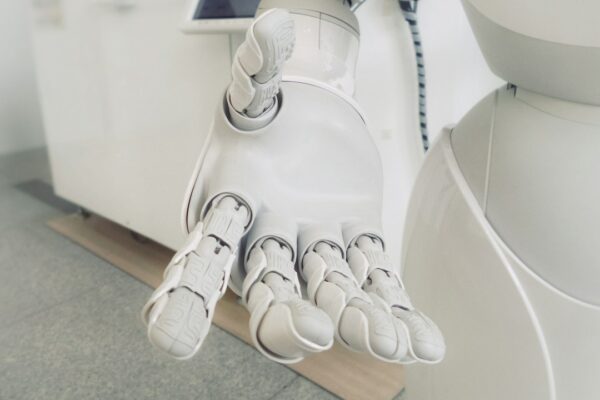
In terms of industrial applications, exoskeletons can reduce strain and injury for workers in sectors like construction and manufacturing. The incorporation of autonomous robotic hands, like the one that walks on its fingertips, demonstrates the potential for enhanced dexterity and functionality in challenging environments. This could resonate with Indian industries looking to improve productivity and worker safety.
Yet, there are trade-offs. Exoskeletons may come with high costs, and their effectiveness can vary based on the user’s specific needs and conditions. As of now, many features of exoskeleton technology remain in early stages of development or are under research. Prospective users should remain alert for future advancements and independent reviews to gauge real-world effectiveness.
Consider these potential aspects when exploring exoskeleton technology:
- Clinical effectiveness and user feedback
- Cost and availability in India
- Training requirements for healthcare and industrial applications
- Regulatory approvals and safety standards
As the technology develops, its influence on both individuals and industries in India could be substantial, but it will require careful navigation of its limitations and possibilities.
Browse exoskeleton technology devices on Amazon.in
How exoskeleton technology is changing rehabilitation
Exoskeleton technology is gaining attention in rehabilitation, particularly for patients with spinal cord injuries. Recently, an FDA-cleared exoskeleton has been reported to help spinal cord patients regain mobility by allowing them to stand and walk again. This breakthrough could significantly change rehabilitation practices in India, where access to advanced medical technology can be limited in certain areas. Such devices are not just about mobility; they can also reduce physical therapy costs and improve patient outcomes over time.
In India, where healthcare facilities may struggle with infrastructure, the introduction of exoskeletons could enable patients to engage in physical therapy at home or in outpatient settings, rather than requiring constant hospitalization. However, the challenges of affordability and maintenance must be addressed. These devices can be expensive, and the support needed for operation requires specialized training that might not be readily available across smaller clinics.
Wandercraft’s recent acquisition of Ekso Bionics suggests a growing focus on the global medical exoskeleton market. This trend could lead to reduced costs and improved accessibility in Indian healthcare systems, but we’ll need to see how these changes play out.
For those interested in exoskeleton technology, consider these factors:
- Cost of Devices: Prices may vary significantly, and while there might be financial assistance programs, they’re not guaranteed.
- Training Requirements: Check if local rehabilitation centers can provide the necessary training for patients and caregivers.
- Availability: Verify if these devices are available through Indian healthcare providers or specific online platforms.
There’s still uncertainty surrounding the long-term effectiveness and usability of exoskeletons, especially in varying climates like India’s. As these devices become more integrated into rehabilitation practices, continued observation will be vital to understand their full impact.
Browse exoskeleton technology devices on Amazon.in
The future of exoskeleton technology in India
The future of exoskeleton technology in India looks promising, especially as global advancements create potential pathways for local adaptation. Recently, companies like Wandercraft have expanded their medical exoskeleton business by acquiring Ekso Bionics. This could lead to more options for rehabilitation facilities in India, where mobility disabilities are significant concerns. Patients recovering from spinal injuries or stroke could benefit immensely from these devices.
However, there are trade-offs worth considering. First, the import pricing and GST for these technologies could make them expensive for many medical facilities. While a FDA-cleared exoskeleton that helps spinal-cord patients stand is an important development, the cost-effectiveness in the Indian context remains untested. As healthcare systems explore adoption, they need to balance innovative technology with budget constraints.
Also, the reliability of these devices under India’s diverse conditions is still to be confirmed. With heat and humidity affecting mechanical components, it’s important for manufacturers to ensure durability over time. Any malfunction could have serious implications for patient safety and rehabilitation progress.
Indian developers are also finding opportunities in this space. Emerging startups could focus on localising exoskeleton technology, making it more accessible to patients and hospitals. Collaboration with research institutions could lead to tailored solutions addressing specific needs in various regions.
As exciting as the developments are, the journey from prototype to practical application in India is still unfolding. Prospective users and stakeholders should look for independent reviews and pilot studies before making investments. The situation is changing, and those who act now may find themselves at the forefront of this technology.
Browse exoskeleton technology devices on Amazon.in
Frequently Asked Questions
What is exoskeleton technology?
Exoskeleton technology refers to wearable robotic devices that support and enhance human movement. These devices can be used for rehabilitation, assistance in walking, or enhancing physical capabilities.
What is exoskeleton technology used for?
Exoskeleton technology is primarily used for medical rehabilitation, allowing spinal-cord injury patients to regain mobility. They can also assist workers in lifting heavy objects and reduce physical strain.
How does exoskeleton technology work?
Exoskeletons typically use a combination of motors, sensors, and control systems to assist movement. They detect the user’s intentions and provide support, enabling actions like walking or standing.
What are the benefits of exoskeleton suits?
Exoskeleton suits can improve mobility for people with disabilities, enhance physical strength for laborers, and aid in rehabilitation for patients. They also help reduce fatigue during repetitive tasks.
Can exoskeleton technology help with mobility issues?
Yes, exoskeleton technology can significantly aid individuals with mobility issues, particularly those recovering from spinal cord injuries, by helping them stand and walk again.
What are some examples of exoskeleton devices?
Examples include medical exoskeletons like those from Ekso Bionics and Wandercraft, which are designed for rehabilitation. Consumer models for physical assistance are also emerging, although specific names weren’t mentioned.
Is exoskeleton technology available in India?
Availability is not confirmed yet. You can check local medical suppliers and specialized tech retailers for information on exoskeletons in India, or look for updates on relevant companies’ official sites.
Compare exoskeleton technology devices prices on Amazon India
Conclusion
Exoskeleton technology has the potential to make a big difference, especially for individuals with mobility challenges, like spinal-cord injury patients. The recent FDA clearance of an exoskeleton that enables these patients to stand and move is a significant milestone. However, as Wandercraft’s acquisition of Ekso Bionics shows, the competition in this sector is heating up. While exoskeletons are progressing in rehabilitation, their effectiveness in everyday life, especially in rugged terrains like the Himalayas, is still being debated. For those in India interested in health tech or rehabilitation solutions, keeping an eye on developments is wise—especially as local research and innovation emerge.
What do you think about the future of exoskeleton technology? Share your thoughts in the comments.
See exoskeleton technology devices deals on Amazon.in (prices and offers change often, so check before you buy).
More from the Potato Tech YouTube channel
Watch more: new videos and Shorts every week on the Potato Tech YouTube channel. Subscribe so you don’t miss the next one.
Related reading
- Apple faces major loss in haptic technology patent case
- Apple event October 2026: What to expect on October 13
- MacBook Pro redesign features OLED and touch-screen display
Featured photo by Taiki Ishikawa on Unsplash