Disclosure: this post contains Amazon affiliate links. As an Amazon Associate we earn from qualifying purchases, at no extra cost to you.
The launch of the RTX 5080 and RTX 5070 Ti brings a new chapter in NVIDIA’s graphics card lineup, sparking interest in the debate of RTX 5080 vs RTX 5070 Ti. This article will compare their specs, pricing, and ideal use cases for buyers in India. The RTX 5080 features 16GB of GDDR7 memory, 10,752 CUDA cores, and supports DLSS 4, with a board power of 360W and a launch MSRP of $999. In contrast, the RTX 5070 Ti, also with 16GB of GDDR7 memory but with 8,960 CUDA cores and a lower board power of 300W, launched at $749. Knowing the differences between these two cards will help you make an informed choice based on your gaming and productivity needs.
Want to see what it costs right now? Check GeForce RTX 5080 price on Amazon.in | Check GeForce RTX 5070 Ti price on Amazon.in
GeForce RTX 5080 vs GeForce RTX 5070 Ti specs
| Spec | GeForce RTX 5080 | GeForce RTX 5070 Ti |
|---|---|---|
| Architecture | Blackwell | Blackwell |
| VRAM | 16GB | 16GB |
| Memory type | GDDR7 | GDDR7 |
| Memory bus | 256-bit | 256-bit |
| Shader cores | 10,752 CUDA cores | 8,960 CUDA cores |
| Board power | 360W | 300W |
| Launch MSRP (US) | $999 | $749 |
| Launched | Jan 2025 | Feb 2025 |
| Upscaling | DLSS 4 with Multi Frame Generation | DLSS 4 with Multi Frame Generation |
Launch specs and US launch prices as announced by the manufacturers. Street prices change and differ in India, so check current listings before you buy.
RTX 5080 vs RTX 5070 Ti: specs and architecture compared
The GeForce RTX 5080 and RTX 5070 Ti share a core architecture from NVIDIA’s Blackwell generation but differ significantly in specs. The RTX 5080 features 16GB of GDDR7, paired with a 256-bit memory bus and a high count of 10,752 CUDA cores. Its board power is rated at 360W. This higher power and CUDA core count suggest it’s built for serious gaming and content creation, especially at higher resolutions where VRAM and processing power can make a noticeable difference.
In contrast, the RTX 5070 Ti also comes with 16GB of GDDR7 and a 256-bit memory bus but has a lower count of 8,960 CUDA cores and a 300W board power. This makes it a more energy-efficient option that could be suitable for gamers who play at 1080p or even 1440p settings, where the extra power of the RTX 5080 may not be fully realized.
Both cards support DLSS 4 with Multi Frame Generation, a feature that enhances frame rates while maintaining visual quality. This is particularly valuable for gamers looking to squeeze more performance out of their systems, especially as new titles demand more from GPUs.
For buyers who prioritize power consumption along with decent performance, the RTX 5070 Ti might be the better choice. However, those involved in more demanding tasks—like video editing or playing in 4K—should consider the RTX 5080, as the longer-term benefits could justify the higher power and price.
- Trade-offs to consider:
- CUDA Cores: More cores in the RTX 5080 lead to better multitasking.
- Power Consumption: RTX 5070 Ti less demanding, may suit budget-conscious builds.
- Gaming Resolution: Higher VRAM and cores of the RTX 5080 favor high-res gaming.
Keep in mind that many performance metrics will depend on independent reviews to clarify real-world usage and benchmarks.
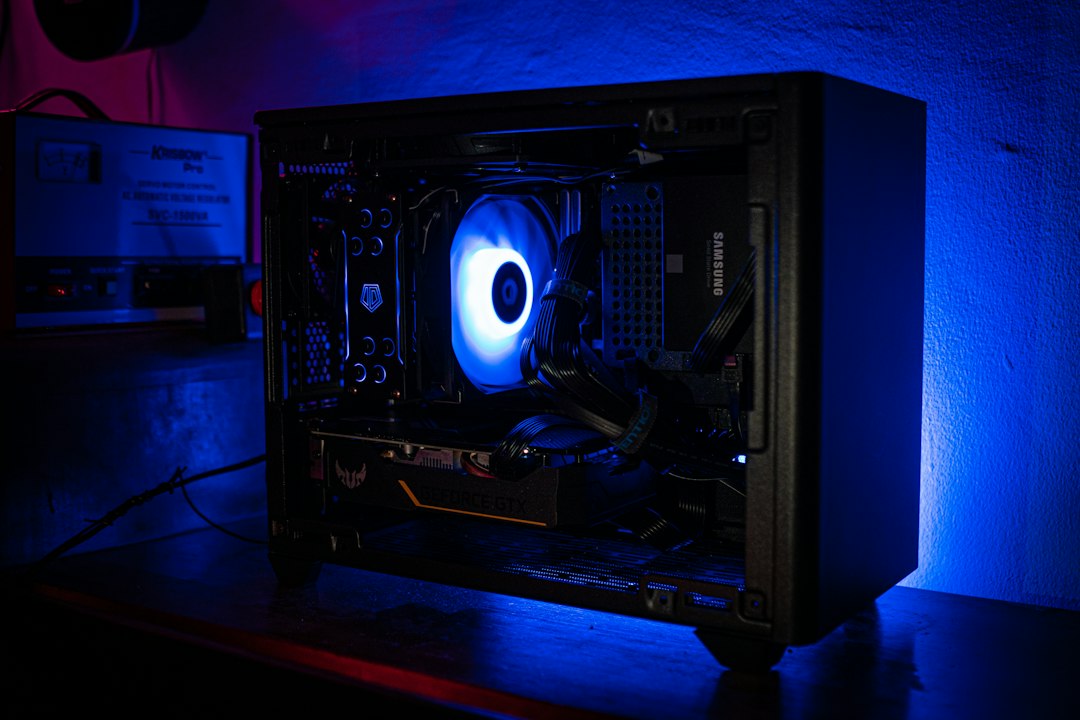
See GeForce RTX 5080 on Amazon.in | See GeForce RTX 5070 Ti on Amazon.in
RTX 5080 vs RTX 5070 Ti price and value for buyers in India
The GeForce RTX 5080 and RTX 5070 Ti are positioned as high-performance options for gamers and creators, but their pricing in India will play a significant role in your decision. The RTX 5080 launched with a MSRP of $999, while the RTX 5070 Ti arrived at $749. As always, street prices may vary significantly due to factors like demand, availability, and import costs, particularly in India.
For buyers in India, the RTX 5080’s higher price point suggests it’s aimed at enthusiasts willing to invest in top-tier performance. With 10,752 CUDA cores and advanced upscaling through DLSS 4 with Multi Frame Generation, it’s a great option for anyone who needs the best visuals and frame rates in demanding games. However, you should keep in mind the potential for high power consumption—360W board power means you’ll need a reliable PSU and ventilation to handle the heat, especially during Indian summers.
On the other hand, the RTX 5070 Ti offers a strong package at its launch price. With 8,960 CUDA cores and the same 16GB GDDR7 memory, it’s positioned as a more accessible option for those who want good performance without going all-in. The 300W board power is a plus, as it allows for more efficient builds on a budget, particularly in terms of heat management.
Given these factors, if you’re on a tighter budget or gaming at 1080p to 1440p, the RTX 5070 Ti should be more than sufficient. It’s a sensible trade-off if you can live without the absolute best performance. Keep an eye on local retailers for availability and possible discounts, as the market can fluctuate rapidly.
Rumours suggest future GPUs could arrive soon, but delays are also in the mix. Reports indicate the RTX 60 series might slip to 2028, although there’s talk of an early 2027 launch for some models. These leaks are unconfirmed, so take them with caution while considering your purchase.
See GeForce RTX 5080 on Amazon.in | See GeForce RTX 5070 Ti on Amazon.in
Who should buy which
The choice between the RTX 5080 and RTX 5070 Ti boils down to what you need from your GPU and how much you’re willing to spend.
The RTX 5080 is aimed at enthusiasts who demand top performance. With 10,752 CUDA cores and a board power of 360W, it’s built for serious gaming at higher resolutions and ultra settings. If you’re into 4K gaming or plan to future-proof your setup for demanding titles, the RTX 5080’s capabilities, especially with DLSS 4 and Multi Frame Generation, will serve you well. It’s also worth considering for creators who rely on heavy rendering tasks or video processing.
On the other hand, the RTX 5070 Ti, with its 8,960 CUDA cores and 300W board power, is a more budget-friendly option. It’s designed for solid 1440p gaming and should handle most modern games quite well. The lower power consumption means it could be easier to manage in terms of cooling, especially in India’s hot summers. If you’re a casual gamer or someone who doesn’t need the absolute best, this GPU could be the best choice.
Here are key considerations for choosing:
- Performance Needs: Go for the RTX 5080 if you want top gaming and productivity.
- Budget: The RTX 5070 Ti offers good value for mid-range performance.
- Power and Heat: Consider your cooling system, especially in warmer climates.
As for upcoming GPUs, reports suggest that the RTX 60 series may see delays, now expected in 2028, with some leaks hinting at early 2027 launches. This uncertainty could impact your decision, depending on whether you want the latest tech or if you’re okay with older models. Keep an eye on these developments as they unfold.
See GeForce RTX 5080 on Amazon.in | See GeForce RTX 5070 Ti on Amazon.in
Leaks and expected launches for next-gen GPUs
NVIDIA’s upcoming GPU lineup has stirred discussions, especially with the news surrounding the RTX 60 series. Recent reports indicate a potential delay in the launch, suggesting these next-gen cards might not hit the market until 2028. This could shift expectations significantly for those considering a purchase.
On the other hand, some leaks point to an early 2027 launch for the RTX 60 series, which could bring next-gen features and improved performance. These conflicting reports make it hard to pin down a timeline. If you’re in the market for a new GPU, this uncertainty might influence your decision.
For gamers and creators looking to upgrade, timing is important. If you need immediate performance, the RTX 5080 and RTX 5070 Ti are good options. However, waiting for the 60 series might be worthwhile if you can hold off. They are expected to feature architectural advancements and optimizations that could enhance gaming experiences and productivity.
Keep an eye on the following points as you consider your options:
- Launch Dates: Watch for any official announcements regarding the RTX 60 series.
- Feature Enhancements: We might see improvements like refined versions of DLSS or other upscaling technologies.
- Pricing Strategies: The potential for price adjustments in the current generation as new models are announced.
As these developments are mostly based on leaks and unconfirmed reports, treat them with caution. The current generation still holds value, especially if you’re gaming or working now and can’t wait for the unpredictable future. Always remember to check reliable sources for updates on GPU availability and specs before making a purchase.
See GeForce RTX 5080 on Amazon.in | See GeForce RTX 5070 Ti on Amazon.in
Frequently Asked Questions
What are the main differences between RTX 5080 and RTX 5070 Ti?
The RTX 5080 has 10,752 CUDA cores compared to the 8,960 in the RTX 5070 Ti. It also consumes more power at 360W versus 300W for the 5070 Ti. Both cards feature 16GB GDDR7 memory and support DLSS 4 with Multi Frame Generation.
Which graphics card is better for gaming, RTX 5080 or RTX 5070 Ti?
The RTX 5080 is better for gaming due to its higher CUDA core count and power consumption, which generally translates to improved performance. If you’re looking for top-tier gaming, the 5080 is the way to go, although the 5070 Ti is still a solid option for many.
How does DLSS 4 work on RTX 5080 and RTX 5070 Ti?
DLSS 4 on both the RTX 5080 and RTX 5070 Ti uses AI to upscale lower-resolution images in real time, improving frame rates while maintaining image quality. This feature enhances gaming performance significantly, especially in demanding titles, though specific performance may vary by game.
What is the power consumption of RTX 5080 vs RTX 5070 Ti?
The RTX 5080 has a power consumption of 360W, while the RTX 5070 Ti requires 300W. This difference means that the 5080 may need a stronger power supply for optimal performance.
Are there any performance benchmarks for RTX 5080 and RTX 5070 Ti?
There are no confirmed performance benchmarks for the RTX 5080 and RTX 5070 Ti yet. Readers should keep an eye on trusted tech sites and reviews after these GPUs are widely available for detailed performance comparisons.
What is the expected availability of RTX 5080 and RTX 5070 Ti in India?
Availability details for the RTX 5080 and RTX 5070 Ti in India haven’t been confirmed yet. Check platforms like Amazon.in and Flipkart for updates as they become available.
When will the next generation of NVIDIA GPUs be launched?
Reports suggest that the next generation of NVIDIA GPUs, the RTX 60 series, is expected to launch in early 2027. However, there are also claims about potential delays, so it’s wise to stay updated on official announcements.
Compare GeForce RTX 5080 prices on Amazon India | Compare GeForce RTX 5070 Ti prices on Amazon India
Conclusion
The RTX 5080 features 10,752 CUDA cores, while the RTX 5070 Ti comes with 8,960. Both GPUs have 16GB GDDR7 and a 256-bit memory bus, but the board power differs: 360W for the RTX 5080 and 300W for the RTX 5070 Ti. Each supports DLSS 4 with Multi Frame Generation, making them compatible with the latest titles. The higher CUDA core count in the RTX 5080 suggests it will handle gaming at higher resolutions and settings better, but independent reviews will confirm real-world impacts.
With launch MSRPs of $999 for the RTX 5080 and $749 for the RTX 5070 Ti, price positioning matters for Indian buyers. The RTX 5070 Ti offers more value, especially if you’re gaming at 1080p or 1440p, whereas the RTX 5080 is geared towards enthusiasts aiming for 4K gaming. Consider local pricing, GST, and availability on platforms like Amazon.in and Flipkart when deciding.
For gamers focused on high-performance gaming, the RTX 5080 is the better choice, especially for 4K resolutions. However, if you’re on a budget or primarily gaming at lower resolutions, the RTX 5070 Ti provides ample power without breaking the bank.
Rumours suggest upcoming generations may be delayed. The RTX 60 series might not arrive until 2027 or even 2028, while AMD is reportedly only releasing one RDNA 5 GPU next year. This uncertainty makes now a strategic time to invest in either current model rather than waiting.
Both GPUs have their strengths, so your choice hinges on your gaming needs and budget. If you want top-tier performance right now, opt for the RTX 5080. For solid performance at a better value, the RTX 5070 Ti is compelling. What do you think about these options?
See GeForce RTX 5080 deals on Amazon.in | See GeForce RTX 5070 Ti deals on Amazon.in (prices and offers change often, so check before you buy).