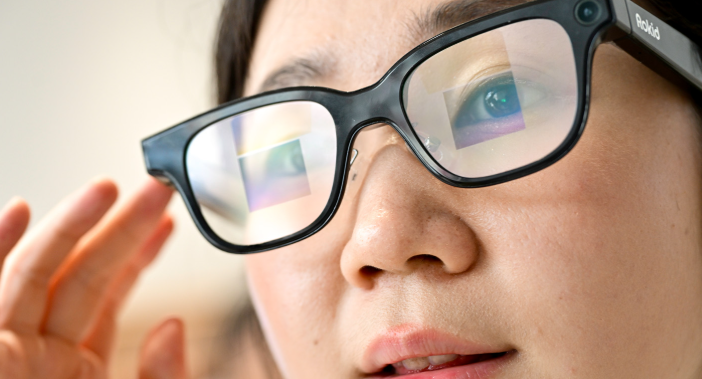
Why AI Glasses Are Suddenly Everywhere
In the first six months of 2026, shipments of AI‑enabled eyewear jumped more than two and a half times compared with the same period a year earlier. The surge is not a flash‑in‑the‑pan hype; it reflects a genuine shift in how consumers, developers, and enterprises view wearable computing. For Indian tech enthusiasts, the timing is perfect: Apple is rumored to launch its own version next year, and local retailers are already stocking a handful of models. This guide breaks down the ecosystem, compares the major players, and helps you decide which pair (if any) deserves a place on your head.
Defining the Landscape: AI Glasses vs Smart Glasses vs AR Headsets
Before we dive into specs, let’s clarify terminology. The market can be confusing because manufacturers use overlapping names.
AI Glasses
These are lightweight frames that embed on‑device AI processors. Their primary value is context‑aware assistance—think real‑time object identification, language translation, or health‑monitoring alerts—without a full‑screen display.
Smart Glasses
Smart glasses typically feature a see‑through display that overlays information (notifications, navigation cues, etc.) onto the real world. They may or may not run AI locally; many rely on a paired smartphone for heavy lifting.
AR Headsets
AR headsets are larger, often with dedicated optics and more powerful graphics pipelines. They target developers and enterprise use cases rather than everyday consumers.
Our comparison focuses on the first two categories, because they are the most relevant to Indian buyers today.
Key Players and Their 2026 Offerings
Below is a snapshot of the most talked‑about devices that you can actually purchase in India as of September 2026.
| Brand | Model | Form‑factor | AI Features | Display | Price (INR) | Availability |
|---|---|---|---|---|---|---|
| Meta | Ray‑AI | Display‑less AI glasses | Object detection, live translation (12 languages), health vitals | None (audio‑only) | ₹27,999 | Online (Meta Store, Amazon India) |
| Pixel Glass 2 | Smart glasses with micro‑LED | Voice assistant, contextual search, Lens integration | 0.8‑inch micro‑LED | ₹22,500 | Select offline retailers, Flipkart | |
| Snap | Spectacles 3 Pro | Smart glasses with AR overlay | Snap‑AI filters, gesture control | Full‑color AR | ₹31,200 | Snap Store, Reliance Digital |
| Xiaomi | Mi Vision AI | Display‑less AI glasses | Real‑time OCR, bilingual translation (Hindi‑English), fitness tracking | None | ₹14,999 | Mi.com India, local Mi stores |
| Apple | Vision Pro (rumored 2027) | Mixed‑reality headset | Spatial audio, eye‑tracking, deep‑learning vision | High‑resolution retinal display | — | Expected 2027 launch |
Deep‑Dive Comparison: Pros, Cons, and Value Proposition
Meta Ray‑AI
Pros:
- Purely audio‑centric design keeps the glasses lightweight (≈30 g).
- On‑device AI chip reduces latency for translation and object detection.
- Strong privacy controls – no camera means less data collection.
Cons:
- Lack of visual overlay limits use cases (no navigation arrows, no AR games).
- Battery life caps at ~6 hours of continuous AI processing.
- Price is higher than most display‑less competitors.
Value: Ideal for professionals who need hands‑free assistance (e.g., warehouse staff, field technicians) and are wary of camera‑based privacy issues.
Google Pixel Glass 2
Pros:
- Micro‑LED display provides crisp overlays without obstructing vision.
- Deep integration with Google Lens and Assistant makes everyday tasks seamless.
- Supports Android Auto, useful for Indian commuters.
Cons:
- Heavier than display‑less models (≈55 g) – may cause fatigue on long rides.
- AI processing largely off‑device, requiring a constant Bluetooth connection to a phone.
- Privacy concerns around continuous camera feed.
Value: Best for users who want a visual heads‑up display for navigation, notifications, and quick image‑based searches.
Snap Spectacles 3 Pro
Pros:
- Full‑color AR overlay enables creative filters and interactive games.
- Gesture‑based control (double‑tap, swipe) reduces reliance on voice.
- Snap’s developer platform offers a growing library of lenses tailored to Indian festivals.
Cons:
- Battery drains quickly under heavy AR use (≈3 hours).
- Higher price point makes it a niche purchase.
- Limited third‑party app ecosystem compared to Google.
Value: Perfect for content creators, influencers, and early adopters who want to stand out on social media.
Mi Vision AI
Pros:
- Most affordable entry point for AI glasses in India.
- Supports Hindi‑English OCR and translation, a boon for students and travelers.
- Longer battery life (~8 hours) thanks to a modest AI chip.
Cons:
- Limited AI model updates; may lag behind Meta’s latest features.
- No official after‑sales service in many Tier‑2 cities.
- Audio quality is average.
Value: Great for budget‑conscious users who want basic AI assistance without breaking the bank.
Practical Tutorial: Setting Up Real‑Time Translation on Meta Ray‑AI
Below is a step‑by‑step guide to get the live Hindi‑English translator working on your Meta glasses. The process assumes you have a Meta account and the companion app installed on your Android phone.
- Pair the glasses: Open Bluetooth settings, select “Meta Ray‑AI” and confirm the pairing code displayed on your phone.
- Install the Translation Module: In the Meta Companion app, navigate to AI Modules → Language Pack → Hindi‑English and tap “Download”. The module size is ~120 MB.
- Enable “Always‑On” mode: Go to Settings → AI Assistant → Always‑On. This allows the glasses to listen for the wake‑word “Hey Meta”.
- Test the feature: Say “Hey Meta, translate ‘How are you?’ to Hindi”. The glasses will speak “आप कैसे हैं?” through the built‑in bone‑conduction speaker.
- Fine‑tune latency: If you notice a lag, open Developer Options → AI Performance → Reduce Model Precision. This trades a bit of accuracy for faster response.
Once configured, you can point the glasses at a signboard, say “Hey Meta, read this”, and the device will read the text aloud in your chosen language. This workflow is especially handy in bustling metros like Delhi or Mumbai where multilingual signage is common.
India‑Centric Use Cases
- Urban Navigation: In cities with chaotic traffic, a heads‑up navigation cue (e.g., “Turn left in 200 m”) reduces the need to glance at a phone, improving safety.
- Regional Language Support: AI glasses that can OCR Marathi, Tamil, or Bengali open up new possibilities for students in tier‑2 towns.
- Healthcare Assist: Rural health workers can use AI‑driven vitals monitoring (heart‑rate, SpO₂) without carrying bulky equipment.
- Retail & E‑Commerce: Store staff can get instant product info by looking at a barcode, while shoppers receive price‑comparison overlays.
Buying Checklist for Indian Consumers
- Form‑factor Preference: Do you need a visual overlay, or is audio‑only sufficient?
- Privacy Comfort: If you’re uneasy about cameras, choose display‑less models.
- Battery Life vs Usage: Heavy AR users should budget for extra power banks.
- Local Service: Verify warranty coverage in your state; Xiaomi and Meta have pan‑India service centers, while Snap relies on third‑party partners.
- Future‑Proofing: Look for devices that support OTA updates; the AI landscape evolves quickly.
My Verdict: Which Pair Wins in 2026?
After weighing performance, price, and Indian relevance, here’s my ranking:
- Meta Ray‑AI – Best overall for professionals who value privacy and hands‑free assistance.
- Mi Vision AI – The most cost‑effective entry point, especially for students and budget shoppers.
- Google Pixel Glass 2 – The go‑to for visual navigation and Android ecosystem lovers.
- Snap Spectacles 3 Pro – Niche, but unbeatable for creators who want AR flair.
Apple’s Vision Pro will likely reshape the premium segment in 2027, but until then, the above options give Indian tech fans a solid set of choices.
Looking Ahead
The 263 % shipment surge is a clear signal that AI glasses are moving from novelty to necessity. As 5G rolls out across India, latency will drop, enabling richer on‑device AI and more seamless cloud‑assisted features. Keep an eye on upcoming firmware updates from Meta and Google—they often add new language packs and health sensors that can extend the lifespan of your device.
Whether you’re a developer, a commuter, or a content creator, the right pair of AI glasses can become an invisible assistant that amplifies productivity and enriches daily life. Choose wisely, stay updated, and enjoy the future on your face.