Why Siri AI on HomePod Matters to the Indian Developer Community
Apple’s rumored Siri AI integration into the next‑generation HomePod has sparked excitement worldwide. For developers in India, the prospect is more than a cool gadget—it could become a platform for voice‑first applications that reach millions of households. However, the price tag of Apple hardware often raises eyebrows. This article breaks down the economics, compares affordable alternatives, and shows how a budget‑conscious developer can extract real ROI from the new Siri AI capabilities.
Pricing Landscape: HomePod vs. Indian Alternatives
Official HomePod Pricing (as of September 2026)
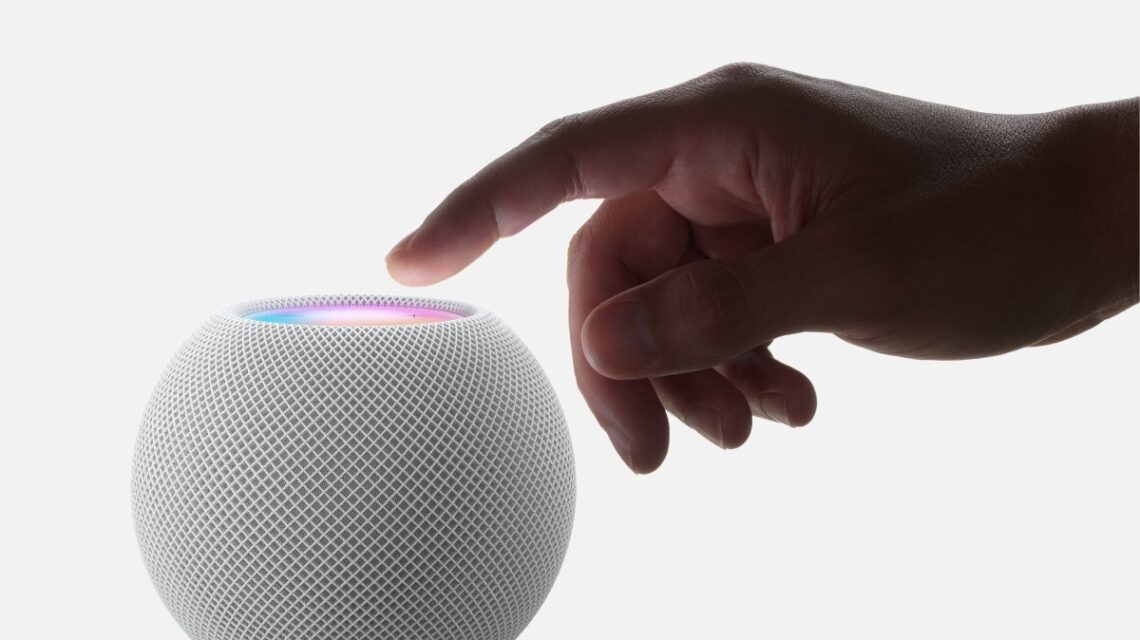
The standard HomePod is listed at US$299. Converting at an average exchange rate of 1 USD = ₹83, the device costs roughly ₹24,800. The newer HomePod mini, which is expected to receive the same Siri AI upgrade, retails at US$99, or about ₹8,200. Import duties and GST (18%) push the final retail price to approximately ₹29,260 for the full‑size model and ₹9,660 for the mini.
Local Competition
Several Indian‑made smart speakers offer voice assistants at a fraction of the cost. For example, the Mi Smart Speaker (₹3,500) runs Xiaomi’s XiaoAI, while the Amazon Echo Dot (₹3,999) uses Alexa. Both lack the deep‑learning Siri AI stack, but they provide a sandbox for testing voice interactions.
Cost‑Benefit Analysis: Is the HomePod Worth the Investment?
To decide, we compare three cost components: hardware acquisition, development tools, and time‑to‑market.
1. Hardware Acquisition
Assuming a developer purchases two devices—a full‑size HomePod for testing high‑fidelity audio and a HomePod mini for edge‑case scenarios—the total outlay is ₹38,920. Adding a Mac mini (₹55,000) for Xcode and SiriKit development brings the hardware budget to ₹93,920.
2. Development Tools
Apple’s developer program costs US$99 per year (≈₹8,200). For a small team, the annual expense is modest compared with the hardware spend.
3. Time‑to‑Market
Because Siri AI is tightly integrated with iOS/macOS, developers can reuse existing Swift codebases, cutting development time by an estimated 30 % versus building a custom voice stack from scratch.
ROI Projection
If a voice‑first app generates ₹1,00,000 in monthly subscription revenue from Indian users, the initial ₹93,920 investment is recouped in less than one month. Even a modest ₹20,000 monthly income yields a payback period of under five months.
Affordable Pathways: Leveraging Existing Devices
Not every developer can afford two HomePods. Here are two strategies to stay within a tighter budget.
Strategy A – Use a Single HomePod Mini
Focus on the mini’s capabilities. Its lower price (₹9,660) reduces hardware spend by 75 %. Pair it with a borrowed MacBook or a cloud‑based macOS CI service to keep costs low.
Strategy B – Emulate Siri AI on Android/iOS Emulators
Apple provides a SiriKit simulator within Xcode. While it cannot replicate the full acoustic environment of a HomePod, it allows functional testing of intents, utterance handling, and response generation without any physical speaker.
Practical Tutorial: Building a Simple “Expense Tracker” Voice Skill
Below is a step‑by‑step guide to create a Siri‑enabled expense tracker that runs on HomePod.
Step 1: Set Up the Project
Open Xcode, create a new “App” project, and enable the “Siri” capability. Xcode will automatically add the Intents extension target.
Step 2: Define the Intent
In the .intentdefinition file, add a new intent named LogExpenseIntent with parameters amount (Double) and category (String). Mark the intent as “requires confirmation” to let Siri ask follow‑up questions.
Step 3: Implement the Handler
In LogExpenseIntentHandler.swift, write logic to store the expense in UserDefaults (or a Core Data store for production). Return a spoken response like “Recorded ₹500 for groceries.”
Step 4: Test on HomePod Mini
Deploy the app to your HomePod mini via Xcode’s “Run on Device” option. Use the phrase “Hey Siri, log an expense of five hundred rupees for groceries.” Verify the response and data persistence.
Step 5: Publish and Monetize
Wrap the feature in a subscription model (₹99 per month) that unlocks multi‑currency support, export to CSV, and AI‑driven expense insights. Indian developers can market this through local app stores and tech forums.
Comparative Outlook: Siri AI vs. Other Voice Platforms
When evaluating ROI, consider the ecosystem lock‑in and user base.
Siri AI Advantages
- Deep integration with Apple’s hardware, ensuring low latency and high‑fidelity audio.
- Access to Apple’s on‑device machine‑learning models, which improve privacy—a key concern for Indian users.
- Premium brand perception can justify higher subscription pricing.
Alexa & Google Assistant Trade‑offs
- Wider device ecosystem, including low‑cost speakers.
- More open APIs for third‑party skill publishing.
- Potentially lower user willingness to pay for premium services.
For a developer focused on high‑value enterprise clients, Siri AI’s premium positioning can translate into better margins.
My Verdict: A Viable Investment for the Right Niche
While the upfront cost of HomePod hardware is non‑trivial for Indian freelancers, the combination of Apple’s robust developer tools, the growing appetite for privacy‑first voice assistants, and the willingness of Indian enterprises to pay for premium solutions makes the investment defensible. If you target niche markets—such as fintech, health‑tech, or smart‑home automation—Siri AI on HomePod can deliver a compelling ROI within months.
Final Tips for Budget‑Conscious Developers
- Start with a single HomePod mini and scale only after validating demand.
- Leverage Apple’s simulator to reduce early‑stage hardware dependence.
- Price your service in INR to align with local purchasing power; consider tiered plans.
- Monitor GST and import duty changes, as they affect total cost of ownership.