Disclosure: this post contains Amazon affiliate links. As an Amazon Associate we earn from qualifying purchases, at no extra cost to you.
The graphics card market has shifted with the recent launches of the GeForce RTX 5070 Ti and the Radeon RX 9070 XT, making the RTX 5070 Ti vs RX 9070 XT debate particularly relevant for buyers in India. This article dives into a head-to-head comparison, examining their specs, price positioning, and who might benefit from each card.
The RTX 5070 Ti features 16GB of GDDR7 memory, a 256-bit memory bus, and 8,960 CUDA cores, while the RX 9070 XT also has 16GB but uses GDDR6 memory with 4,096 stream processors. Both cards support upscaling technologies—DLSS 4 for NVIDIA and FSR 4 for AMD. With board power ratings of 300W for the RTX 5070 Ti and 304W for the RX 9070 XT, heat management in Indian summers will be important when choosing between them.
Want to see what it costs right now? Check GeForce RTX 5070 Ti price on Amazon.in | Check Radeon RX 9070 XT price on Amazon.in
GeForce RTX 5070 Ti vs Radeon RX 9070 XT specs
| Spec | GeForce RTX 5070 Ti | Radeon RX 9070 XT |
|---|---|---|
| Architecture | Blackwell | RDNA 4 |
| VRAM | 16GB | 16GB |
| Memory type | GDDR7 | GDDR6 |
| Memory bus | 256-bit | 256-bit |
| Shader cores | 8,960 CUDA cores | 4,096 stream processors |
| Board power | 300W | 304W |
| Launch MSRP (US) | $749 | $599 |
| Launched | Feb 2025 | Mar 2025 |
| Upscaling | DLSS 4 with Multi Frame Generation | FSR 4 |
Launch specs and US launch prices as announced by the manufacturers. Street prices change and differ in India, so check current listings before you buy.
RTX 5070 Ti vs RX 9070 XT: specs and architecture compared
The GeForce RTX 5070 Ti and the Radeon RX 9070 XT are both strong contenders for gamers and PC builders. When comparing their specs and architecture, several key differences emerge.
The RTX 5070 Ti, based on NVIDIA’s Blackwell architecture, features 16GB of GDDR7 memory and a solid 256-bit memory bus. It houses 8,960 CUDA cores and has a board power of 300W. This card supports DLSS 4, including Multi Frame Generation, which is important for gamers looking to enhance performance, particularly in titles optimized for NVIDIA’s technology.
On the other hand, the RX 9070 XT is built on AMD’s RDNA 4 architecture. It also comes with 16GB of GDDR6 memory and a similar 256-bit memory bus. However, it has fewer stream processors at 4,096 and a slightly higher board power of 304W. The RX 9070 XT supports FSR 4, which is key for gamers using AMD’s upscaling technology to improve frame rates without dramatically sacrificing visual quality.
Both cards are potentially overkill for casual gaming, but their specs are important for those interested in high-end gaming or content creation. If you’re focused on the best performance in titles that support DLSS, the RTX 5070 Ti may be the way to go. Meanwhile, the RX 9070 XT could appeal to those who prefer AMD ecosystems or are looking to optimize their experience with FSR.
When considering these GPUs, keep an eye on the power requirements. The RTX 5070 Ti is slightly more efficient, which could be relevant during India’s sweltering summers. Ultimately, your choice should align with the games you play, the technologies you prefer, and the overall system you’re building.
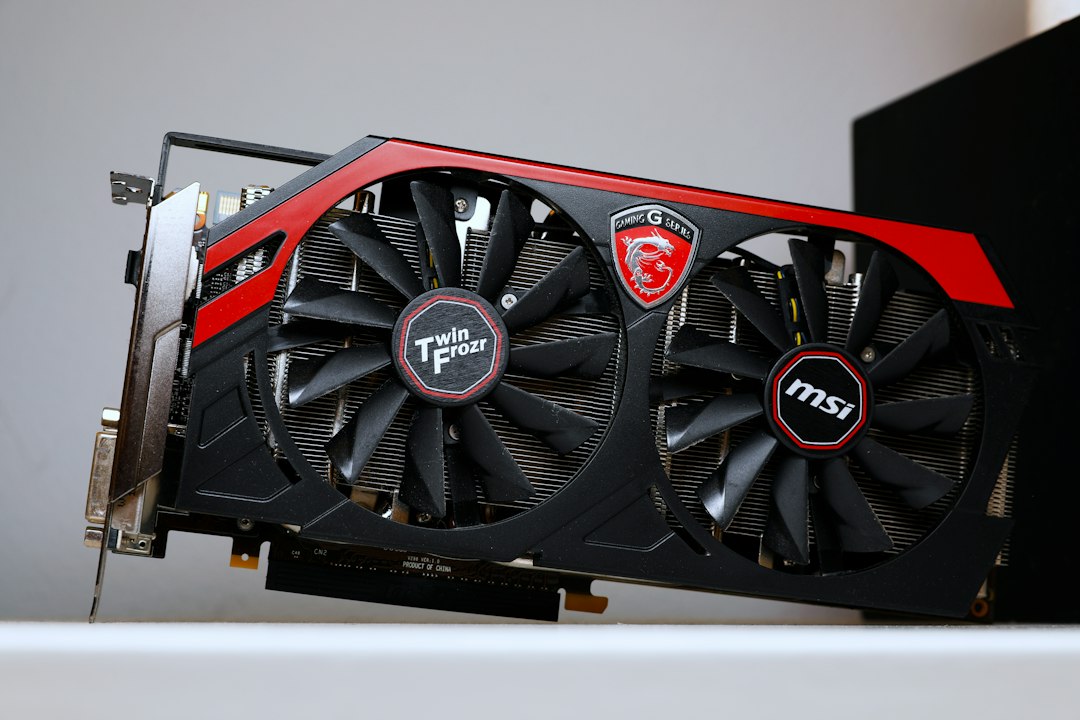
See GeForce RTX 5070 Ti on Amazon.in | See Radeon RX 9070 XT on Amazon.in
RTX 5070 Ti vs RX 9070 XT price and value for buyers in India
The GeForce RTX 5070 Ti launched at a suggested retail price of $749, while the Radeon RX 9070 XT came in lower at $599. These MSRPs reflect a clear positioning, with the RTX 5070 Ti aimed at high-end gamers willing to pay more for advanced features like DLSS 4. The RX 9070 XT, on the other hand, presents a more budget-friendly option for users who want solid performance without breaking the bank.
In India, local pricing will include import tariffs and GST, which can significantly inflate these prices. With recent trends showing the RTX 5070 Ti hitting around $1,100 and the RX 9070 XT stabilizing near $800, Indian buyers may find street prices on e-commerce platforms like Amazon.in and Flipkart vary considerably. Keep an eye on local retailers as well, as they might offer competitive pricing, especially during festivals or sales.
Both cards have their strengths, but how you use them makes a difference. If you’re into high-resolution gaming and want features that will last, the RTX 5070 Ti might be worth the investment, provided you can manage the higher cost. Conversely, if you’re looking for good performance at a lower price, the RX 9070 XT’s support for FSR 4 makes it a compelling choice for gamers who prioritize value over the latest features.
Here’s what to consider before you buy:
- Your primary gaming resolution and settings
- Whether you plan to use ray tracing and upscaling features
- Availability in local stores and possible discounts
While both cards are solid options as of now, be wary of unconfirmed reports regarding future releases. The RTX 60 series is reportedly delayed to 2028, and AMD may launch only one RDNA 5 GPU next year. These factors might influence your decision if you can afford to wait for next-generation options.
Who should buy which GPU?
The choice between the GeForce RTX 5070 Ti and the Radeon RX 9070 XT boils down to your specific needs and use cases.
If gaming performance is your primary concern and you want the latest in upscaling technology, the RTX 5070 Ti is likely the better option. With support for DLSS 4 and Multi Frame Generation, it’s designed for ultra settings and higher frame rates, which can be a significant advantage in competitive gaming. Its 16GB of GDDR7 VRAM may provide a buffer for future-proofing, especially if you’re running games at higher resolutions.
On the other hand, the RX 9070 XT offers great value for buyers. At a launch MSRP of $599, it’s more budget-friendly than the RTX 5070 Ti. If you lean towards AMD’s FSR 4 for upscaling, this card can still deliver solid gaming experiences. The 4,096 stream processors fall short compared to the CUDA cores of the RTX 5070 Ti, but for most modern games, especially at 1440p, it will still hold its ground.
Consider these factors when making your decision:
- Budget: If price is a significant factor, the RX 9070 XT offers better value.
- Performance Needs: For high-performance gaming and the latest tech, the RTX 5070 Ti is the way to go.
- Game Preferences: Some games may perform better on NVIDIA or AMD hardware, so check the benchmarks once available.
Keep in mind, as of now, independent reviews and benchmarks will help confirm real-world performance differences—waiting for those could be wise if the decision feels tough.
Leaks and expected launches
NVIDIA and AMD are both gearing up for their next GPU generations, but the situation is filled with uncertainty. Current leaks suggest that NVIDIA’s RTX 60 series, which many were hoping to see sooner, might be delayed until 2028 based on conflicting reports. Some sources hint at possible early 2027 launches, but these timelines are far from confirmed. For buyers in India, this means if you’re considering an upgrade right now, the RTX 5070 Ti and RX 9070 XT may be your best options for the foreseeable future.
On the AMD side, speculation revolves around the RDNA 5 architecture. Reports indicate that AMD could launch only one RDNA 5 GPU next year. This could lead to a lack of choices if you’re waiting for a significant advancement in performance from AMD.
For gamers and professionals focused on high-resolution gaming, the potential delays in both GPU lineups suggest that it might be wise to invest now rather than hold out for uncertain future releases. Waiting for the next generation could leave you without new hardware for a considerable time, which isn’t ideal for anyone wanting to experience the latest titles.
Keep an eye on these developments:
- Watch for announcements regarding the RTX 60 series.
- Monitor any updates from AMD regarding RDNA 5.
- Be wary of the pricing trends for the current models, as delays could affect availability and pricing.
Dealing with this uncertainty can be tricky, but making a solid investment now can offer more immediate benefits instead of risking it on unconfirmed releases.
Frequently Asked Questions
What are the main differences between RTX 5070 Ti and RX 9070 XT?
The main differences are in their architecture and specs. The RTX 5070 Ti has 8,960 CUDA cores, while the RX 9070 XT has 4,096 stream processors. The RTX 5070 Ti also supports DLSS 4, whereas the RX 9070 XT supports FSR 4.
How does the price of RTX 5070 Ti compare to RX 9070 XT in India?
The launch MSRP of the RTX 5070 Ti is reported at $749, while the RX 9070 XT is at $599. Prices in India may vary due to import duties and GST, so check local retailers like Amazon.in and Flipkart for the latest pricing.
Which GPU is better for 1440p gaming: RTX 5070 Ti or RX 9070 XT?
It’s unclear which GPU is definitively better for 1440p gaming, as performance can depend on specific game titles and settings. Independent reviews will provide more insights after testing both GPUs.
What power consumption should I expect from RTX 5070 Ti and RX 9070 XT?
The RTX 5070 Ti has a board power of 300W, while the RX 9070 XT consumes slightly more at 304W. Consider your PSU’s capacity and your system’s overall power needs.
Is the RTX 5070 Ti better for ray tracing compared to RX 9070 XT?
The RTX 5070 Ti should offer better ray tracing performance since it supports NVIDIA’s DLSS technology, which enhances visuals without a huge performance hit. AMD’s RX 9070 XT has its own upscaling tech, but ray tracing comparisons will require real-world tests.
What upscaling technologies do RTX 5070 Ti and RX 9070 XT support?
The RTX 5070 Ti supports DLSS 4, while the RX 9070 XT supports FSR 4. Both technologies aim to improve performance and visual fidelity, but real-world effectiveness will depend on specific titles.
What are the expected launches following RTX 5070 Ti and RX 9070 XT?
There are rumors about the NVIDIA RTX 60 series possibly launching in early 2027, but delays have been reported. AMD might only release one RDNA 5 GPU next year, but official details are still pending.
Conclusion
The GeForce RTX 5070 Ti features 16GB of GDDR7 memory, a 256-bit memory bus, and 8,960 CUDA cores with a board power of 300W. In contrast, the Radeon RX 9070 XT also has 16GB, but it uses GDDR6, 4,096 stream processors, and draws slightly more power at 304W. Performance-wise, both support advanced upscaling technologies—NVIDIA’s DLSS 4 with Multi Frame Generation on the 5070 Ti and AMD’s FSR 4 on the RX 9070 XT. This tech setup suggests that while the RTX 5070 Ti may have an edge in raw power, the RX 9070 XT offers solid performance at a lower price point.
Both GPUs are positioned differently in the market. The RTX 5070 Ti launched at $749, while the RX 9070 XT debuted at $599. In India, street prices may vary, with fluctuations often driven by import duties and GST. At times, the RTX 5070 Ti has reached as high as $1,100, while the RX 9070 XT held around $800. For gamers looking at these options, performance per rupee is important, especially in a competitive Indian gaming market with regional pricing on platforms like Amazon.in and Flipkart.
If you want the highest performance for heavy gaming and can afford it, go for the RTX 5070 Ti. However, if you’re budget-conscious and still want great gaming performance, the RX 9070 XT is a better choice. It’s ideal for those who play less demanding titles or are happy with solid performance at a lower cost.
Recent leaks indicate that NVIDIA’s next-generation RTX 60 series might not launch until 2028, while AMD’s RDNA 5 GPU may see a single release next year. This means if you’re eyeing these GPUs, you might not want to wait too long, as major upgrades could be further off.
For gamers in India, the choice between these two cards boils down to budget and gaming needs. If you’re looking for power, the RTX 5070 Ti is your pick; if value matters more, consider the RX 9070 XT. What’s your take on these GPUs? Let’s hear your thoughts!
See GeForce RTX 5070 Ti deals on Amazon.in | See Radeon RX 9070 XT deals on Amazon.in (prices and offers change often, so check before you buy).