Disclosure: this post contains Amazon affiliate links. As an Amazon Associate we earn from qualifying purchases, at no extra cost to you.
Last updated: 6 October 2026
The Apple Pay India launch marks a significant moment for digital payments in the country. After years of anticipation, Apple Pay has officially entered the Indian market, bringing new possibilities for consumers and businesses alike. This article will explore the details of the launch, how Apple Pay operates alongside the widely used UPI system, and what users need to know about setting it up safely. We’ll also discuss who stands to benefit from this new payment option and who might find it unnecessary.
With Axis Bank as its first partner, Apple Pay is starting with support for Axis Bank-issued Visa and Mastercard cards. Users can now make contactless payments at various merchants that accept Apple Pay. As we look at how this service fits with existing payment methods, you’ll see how it aims to cater to the growing demand for digital payment solutions in India.
Want to see what it costs right now? Check mobile wallet accessories price on Amazon.in
Key takeaways
- The service is initially available through Axis Bank, supporting Visa and Mastercard credit cards.
- Users can set up Apple Pay through their Axis Bank accounts, but UPI integration is currently not available.
- Merchants accepting Apple Pay will expand, but users should check compatibility with their cards before making transactions.
Quick facts
| Detail | What’s been reported |
|---|---|
| Company | Apple |
| Launch date | 30 Sep 2026 |
| Partnership | Axis Bank |
| Supported cards | Visa and Mastercard |
| Availability | Axis Bank credit card users |
| UPI support | Not supported |
Based on recent media reports. Confirm final details on the brand’s official site.
What launched and with which partners
Apple has officially launched Apple Pay in India, marking a key addition to the country’s digital payments ecosystem. This service rolled out through a partnership with Axis Bank, which is the first bank to support the platform. Users of Axis Bank-issued Visa and Mastercard credit cards can now enjoy easy transactions, tapping their phones to pay at various merchants.
The availability of Apple Pay in India comes after years of anticipation, especially considering the service’s global expansion over the last decade. Apple has had its sights set on India for a while, and the collaboration with Axis Bank signals a commitment to entering a market that has been dominated by the Unified Payments Interface (UPI).
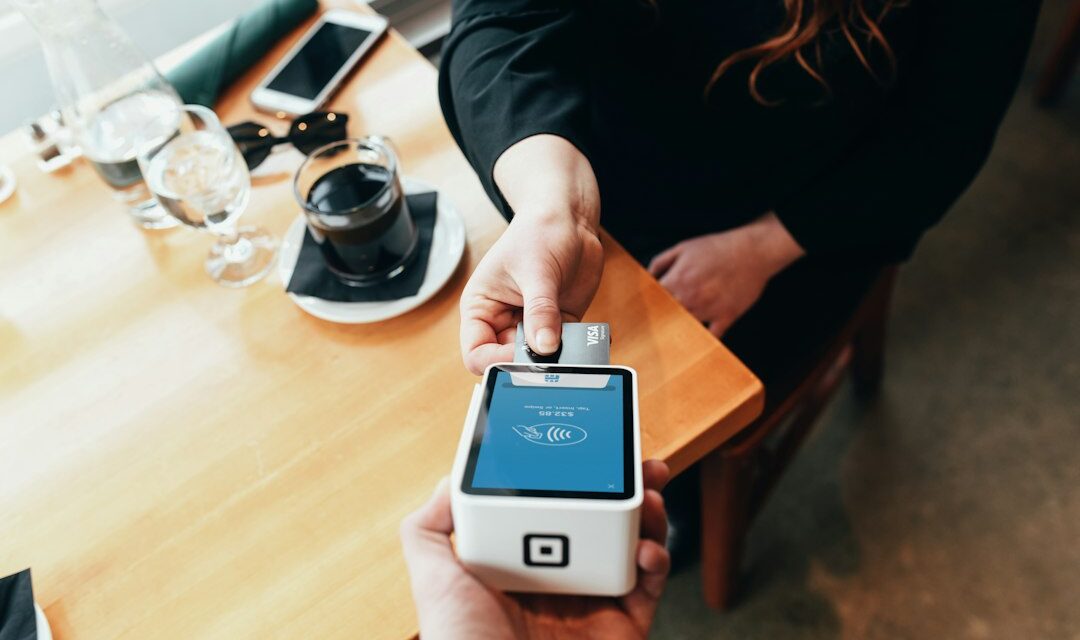
If you’re an Axis Bank credit cardholder, this launch brings a range of benefits. You can use Apple Pay at both physical and online stores that accept contactless payments. This means you can make payments at cafes, retail outlets, and even for online shopping—all directly from your Apple devices, like the iPhone or Apple Watch. The convenience of using biometrics (like Face ID or Touch ID) to authorize payments adds an extra layer of ease.
However, it’s important to remember that Apple Pay is not compatible with UPI, which has become the preferred option for many Indians due to its widespread acceptance and ease of use. UPI allows users to transact directly from their bank accounts without needing intermediaries like card networks. Apple Pay, on the other hand, requires users to have credit or debit cards linked to their Apple Wallet. This limitation could make Apple Pay less appealing to users who primarily rely on UPI for their day-to-day transactions.
Here are a few points to keep in mind about the launch:
- Currently, Apple Pay works only with Axis Bank-issued Visa and Mastercard credit cards. If you have a different bank card, you may need to wait for further partnerships.
- While Apple Pay can be used at many retailers, it’s essential to check if your frequently visited stores accept it. Not all locations may be equipped for contactless payments yet.
- Users who have become accustomed to UPI may find that Apple Pay does not offer the same flexibility, especially since it can only link to credit cards.
While this launch is an important move for Apple in India, it brings with it specific trade-offs. The limited partnering banks and the inability to integrate with UPI mean that not all users will find it practical. For die-hard Apple fans or those who already have an Axis Bank credit card, this service might be worth exploring, especially if you value the convenience of contactless payments. However, if you’re already reliant on UPI for most transactions, you might not feel the need to switch anytime soon. The broader impact of Apple Pay will depend on how many more banks come on board to support this new service in the coming months.

Browse mobile wallet accessories on Amazon.in
How Apple Pay fits alongside UPI
Apple Pay’s launch in India marks a new phase in digital payments, especially as it enters a market dominated by UPI (Unified Payments Interface). UPI has quickly become the preferred method for many Indians due to its simplicity, speed, and widespread acceptance. With Apple Pay now available, users will want to understand how these two systems compare and what that means for their daily transactions.
Apple Pay operates a bit differently from UPI. While UPI allows users to link their bank accounts directly to send and receive money, Apple Pay is primarily for credit and debit card transactions. It uses your Axis Bank-issued Visa or Mastercard cards for payments, which means you’ll rely on card networks rather than direct bank transfers. This shift could matter for those who already have their finances tied up in credit or debit cards.
A few points to consider when trying to decide between Apple Pay and UPI include:
- Convenience: If you’re an iPhone user who prefers to pay quickly and securely using your phone, Apple Pay can be very convenient. You can tap to pay at terminals that support NFC (Near Field Communication) payments, which are increasingly common in shops and restaurants.
- Acceptance: UPI is accepted at a broader range of merchants, from local vendors to large chains. On the other hand, Apple Pay’s acceptance is gradually growing but may not yet match UPI’s reach, especially in less urbanized areas.
- Transaction charges: The transaction fees (if any) associated with Apple Pay are still unclear, especially in comparison to UPI, which usually charges minimal fees for transactions. Users should keep an eye out for any announcements from Apple regarding charges or partnerships that might affect costs.
- Support for features: Apple Pay may incorporate features like in-app purchases and online payments easily, which can be a bonus if you regularly shop on e-commerce sites or use apps that support Apple Pay. UPI, while powerful, may not have the same level of integration with all apps.
- Security: Apple uses strong encryption and tokenization to protect your card information in Apple Pay. UPI’s approach to security involves two-factor authentication and other methods, which are effective but function differently. Users might prefer the system they feel offers the best blend of security and ease of use.
While Apple Pay is entering a competitive market, it offers clear advantages for iPhone users who prioritize speed and security in card payments. However, for those who rely heavily on UPI for day-to-day transactions with smaller vendors, there may be little reason to shift just yet. It will be interesting to see how Apple Pay develops its partnerships and expands its user base in India and whether it can offer compelling reasons for existing UPI users to give it a try. Users should watch for updates on merchant acceptance and any fees associated with Apple Pay as it continues to roll out.
Setup and safety for Apple Pay in India
Setting up Apple Pay in India is relatively straightforward, but there are key steps and safety considerations to keep in mind. The system is designed to work smoothly through the Wallet app on your iPhone or Apple Watch, as long as you use an Axis Bank-issued Visa or Mastercard. This setup is important for users who want to make quick, contactless payments at participating merchants.
To get started, you’ll need to add your eligible card to the Wallet app. This is done by opening the app and selecting the option to add a new card. You should only add cards through the Wallet app itself to ensure the process is secure. After selecting your card, you’ll need to confirm with your bank that the card is compatible and authorized for Apple Pay. Keep in mind that not all Axis Bank cards may be supported, so it’s wise to check the official list provided by Apple or Axis Bank to avoid any complications.
While Apple Pay is known for its security features, users should still remain vigilant. Apple Pay uses tokenization to protect your card information, meaning your actual card number isn’t stored on your device or shared during transactions. This adds an extra layer of security, but it’s important to ensure that your device’s software is up to date. Regular updates from Apple often include security patches that help protect against vulnerabilities.
For Indian users, it’s also essential to be aware of the surrounding environment when using this technology. Given the high temperatures in some Indian cities, ensure that the device is not overheating, as this can affect performance. Online transactions may require a stable internet connection. Users should verify their ISP’s reliability, especially in densely populated areas, to make sure there’s no latency affecting payment processing.
Here are some key points to remember as you set up Apple Pay:
- Add cards only through the Wallet app.
- Confirm with your bank that your card is supported.
- Regularly update your device for security improvements.
- Be mindful of your device’s temperature and internet connectivity during transactions.
As Apple Pay gains traction in India, many users will find it a convenient alternative to traditional payment methods. However, those who primarily rely on UPI may not feel the need to switch just yet. Apple Pay currently lacks support for UPI transactions, which are widespread and deeply integrated into many users’ daily lives. For casual spenders who prefer easy interaction with their existing UPI wallets, Apple Pay may not replace their current solution.
While setting up Apple Pay is relatively secure and user-friendly, assess whether it fits your lifestyle before diving in. With only Axis Bank cards currently supported, the launch may still have limits for some users. Keep an eye on future developments, as more banks and features may be added over time, which could enhance the service’s appeal in the Indian market.
Who benefits from the Apple Pay India launch
Apple Pay’s entry into India marks a notable shift in how users can engage with digital payments, particularly for those already embedded in the Apple ecosystem. The biggest beneficiaries are likely Apple device users, especially those who own newer iPhones and Apple Watches paired with Axis Bank-issued Visa and Mastercard cards. If you’re already using one of these devices, setting up Apple Pay could enhance your payment experience at various merchants that support it—especially given the increasing number of businesses adopting contactless payment methods.
For users invested in the Apple environment, Apple Pay provides an easy way to make transactions. You can pay in stores, apps, and online with just a tap or a click, enhancing convenience. For individuals who travel often or engage in e-commerce, using Apple Pay can simplify transactions during international purchases, where conversion rates and currency can become tedious.
However, there are trade-offs to consider. Apple Pay is not universally accepted yet, especially compared to the ubiquity of UPI, which many citizens use for everything from paying bills to transferring money between friends and family. If you’re accustomed to using UPI, you might find some disruptions in your daily transactions with the addition of another app. Apple Pay is not a replacement for UPI; it’s an alternative that works best alongside existing payment methods.
For users who are cautious about adopting new payment platforms, particularly those who prefer UPI for its direct bank-to-bank transfers with minimal fees, Apple Pay may not be as compelling. The lack of support for UPI transactions means that users will need to adapt to a different payment infrastructure. It also raises questions about transaction fees, which have yet to be disclosed or confirmed.
Here are a few points to keep in mind if you’re considering using Apple Pay:
- Check if your Axis Bank card is supported for Apple Pay. Not all cards may be eligible.
- Look for merchants that accept Apple Pay. While popular chains may be on board, local shops might still be adopting it.
- Weigh the benefits of convenience against the familiarity and established nature of UPI.
Ultimately, if you’re already integrated into Apple’s ecosystem and looking for a more streamlined payment process, Apple Pay is worth exploring. But if you’re satisfied with UPI and prefer a no-frills experience without the need for additional apps, you might choose to stick with what you know. The decision may come down to the convenience you seek and how often you encounter merchants that accept Apple Pay.
Frequently Asked Questions
What is the Apple Pay India launch date?
Apple Pay has launched in India.
Which banks and cards support Apple Pay in India?
Apple Pay supports Axis Bank-issued Visa and Mastercard cards at launch.
How does Apple Pay work compared to UPI?
Apple Pay allows users to make contactless payments using their iPhones, while UPI facilitates bank-to-bank transfers directly. UPI is not integrated with Apple Pay.
What are the safety features of Apple Pay?
Apple Pay includes features like tokenization, which replaces card details with a unique code, and biometric authentication through Face ID or Touch ID for secure transactions.
Can I use Apple Pay with my existing UPI account?
No, you cannot use Apple Pay with your existing UPI account, as UPI is not integrated into Apple Pay.
What are the benefits of using Apple Pay in India?
Benefits of using Apple Pay include secure transactions, ease of use with Apple devices, and the ability to make contactless payments at supported merchants.
Are there any fees for using Apple Pay?
The reporting does not mention any specific fees for using Apple Pay in India. For detailed information, check directly on Apple’s official site.
Why is UPI not integrated with Apple Pay?
The reason UPI is not integrated with Apple Pay has not been confirmed yet. Further details may be available on Apple’s official site.
Conclusion
Apple Pay has launched in India, marking a notable entry for the service after years of anticipation. The partnership with Axis Bank allows users to link their Visa and Mastercard credit cards issued by the bank, enabling a straightforward payment experience. This development positions Apple Pay as a practical option for those looking to make contactless payments at various merchants across the country.
Apple Pay’s entry doesn’t replace UPI, which remains the primary choice for many Indians. UPI, a quick and direct method for transferring money between bank accounts, is well-established and used widely. In contrast, Apple Pay focuses on card-based transactions, tapping into the existing infrastructure while appealing to those who prefer linking cards directly for payments.
For setup, you’ll need to add your card through the Wallet app. Confirm the addition with your bank and check the official list to see if your cards are supported. This streamlined approach ensures security and convenience for users.
The main beneficiaries are those already integrated into the Apple ecosystem and holding Axis Bank cards. If you don’t use Apple products or prefer UPI, you might find little reason to switch. Everyone else can simply wait and see how Apple Pay evolves in India.
If you’re an Apple user, especially with an Axis Bank card, it’s worth trying out Apple Pay. If you rely on UPI, sticking with it might be the best choice for now. What do you think about Apple Pay’s arrival in India? Share your thoughts!
See mobile wallet accessories deals on Amazon.in (prices and offers change often, so check before you buy).
More from the Potato Tech YouTube channel
Watch more: new videos and Shorts every week on the Potato Tech YouTube channel. Subscribe so you don’t miss the next one.
Related reading
- Apple HomePod launch set for October 13, new products expected
- Apple event October 2026: What to expect on October 13
- Apple M6 chip: What to expect and release timeline
Featured photo by Blake Wisz on Unsplash