Disclosure: this post contains Amazon affiliate links. As an Amazon Associate we earn from qualifying purchases, at no extra cost to you.
Last updated: 8 October 2026
The push for a made in India smartphone is gaining momentum, with the Indian government reportedly targeting a complete homegrown smartphone ecosystem by 2028. Recent reports suggest that plans for policy guidelines to support this vision will be unveiled within the next 30 days. The focus is on fostering Indian brands to manufacture and design smartphones domestically, moving away from the current model where most devices are just assembled in India by foreign companies. This article explains what the government is planning, clarifies terms like “assembled in India” versus “made in India,” identifies key players like Lava and Optiemus, and discusses what this means for buyers today as well as the policy developments to keep an eye on in the coming weeks. Understanding these shifts can help you make sense of an evolving smartphone market that increasingly prioritizes indigenous manufacturing and innovation.
Want to see what it costs right now? Check smartphone under 10000 price on Amazon.in
Key takeaways
- The Indian government aims to establish a complete homegrown smartphone ecosystem by 2028, with policy guidelines expected within 30 days.
- Three to four Indian smartphone brands are anticipated to launch under the government’s new roadmap.
- Lava and Optiemus are reportedly seeking incentives to develop their own smartphone brands in India.
- Currently, most smartphones sold in India are assembled by global brands, not fully designed and built by Indian companies.
Quick facts
| Detail | What’s been reported |
|---|---|
| Government target for homegrown smartphones | Entirely built in India by 2028 |
| Expected number of firms to start | Three to four Indian smartphone brands |
| Firms eyeing smartphone brand incentives | Lava and Optiemus among others |
| Current smartphone assembly in India | Most phones are assembled by global brands |
| Policy guidelines release timeframe | Expected within 30 days from October 2026 |
| Government’s roadmap for Indian brands | Plans to unveil roadmap for domestic brands |
Based on recent media reports. Confirm final details on the brand’s official site.
What the government is reportedly planning for smartphones
The Indian government is reportedly setting its sights on creating a strong homegrown smartphone ecosystem. According to NDTV and NDTV Profit, the aim is to have smartphones that are entirely built in India available in the market by 2028. This vision includes a detailed plan for Indian smartphone brands, which is expected to be unveiled in the next 30 days. The government reportedly plans to support three to four firms in this initiative, though specific names haven’t been confirmed at this stage.
This news comes amid rising demand for locally made products and a push to reduce reliance on imports. Currently, most smartphones sold in India are assembled locally by global brands such as Samsung and Xiaomi. However, these products may not qualify as "Made in India" since they mainly involve the final assembly of components sourced from other countries. What the government is suggesting could change this situation significantly, leading to completely homegrown options in the near future.
Moneycontrol highlights that the government is working on a specific plan that will guide these new initiatives. This could involve incentives for companies venturing into manufacturing smartphones, which are expected to start their operations soon. As of now, companies like Lava and Optiemus are reportedly eyeing these incentives to establish their foothold in the Indian smartphone market. The focus on domestic production is not just about economic independence; it’s also about fostering local innovation and technology development, which can benefit Indian consumers.
While these plans sound promising, it’s important to remember that they are still in the negotiation phase. The details of the policy and how it will be implemented remain unconfirmed. We should keep an eye on the upcoming policy guidelines, as they could clarify how the government intends to support these initiatives and what criteria will be set for companies to qualify for incentives.
For buyers today, this development means that the range of smartphone options may shift in the next few years. You might want to start monitoring brands like Lava and Optiemus for any announcements related to new products or collaborations that could arise from these incentives. If you’re thinking about a new phone, consider waiting until more details about the local brands emerge, as increased competition could lead to better pricing and features.
The road ahead involves both potential rewards and challenges. The promise of a homegrown smartphone market is exciting, but it’s important to remain updated on the specifics once the government publishes its policy guidelines. Keep an eye on developments in the next month, as they could shape the future of mobile technology in India significantly.
Browse smartphone under 10000 on Amazon.in
Difference between assembled in India and made in India smartphones
The terms "assembled in India," "made in India," and "designed in India" often get mixed up, but they describe very different levels of manufacturing involvement. Understanding these distinctions is important for consumers who want to know what they’re buying.
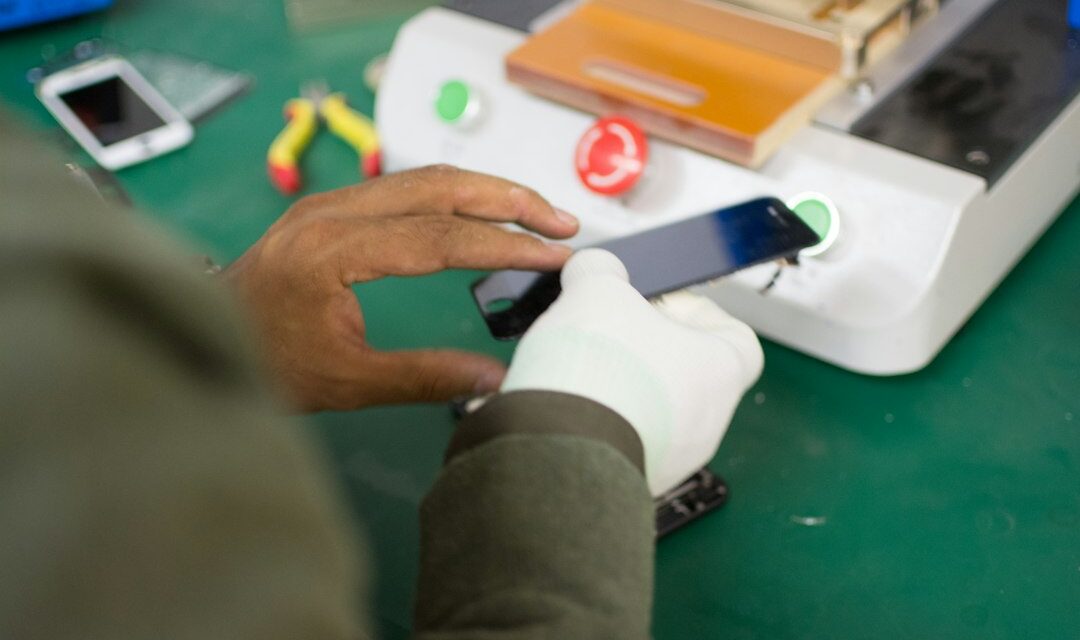
Assembled in India refers to smartphones that are put together in India using components sourced from various countries. Many well-known global brands, like Samsung and Xiaomi, do this. They import parts, then assemble the devices in local factories to save on import duties and reduce costs. While this increases local employment and allows for quicker distribution, these phones still rely heavily on foreign supply chains. If a key component like a chip is delayed due to global shortages, it can affect the availability of these assembled devices.
Made in India, on the other hand, indicates a more complete manufacturing process. Smartphones labeled as made in India would ideally be designed, built, and produced entirely within the country. This means everything from the design phase to the final product relies on local talent and resources. The idea is to create a fully self-sufficient ecosystem that reduces dependence on imports. For consumers, this could translate into better quality assurance and potentially lower prices in the long run, assuming local brands can scale effectively.
Designed in India adds another layer to the conversation. It implies that Indian companies handle the design aspects of the smartphone, but the actual manufacturing may still occur elsewhere. This distinction matters because design often influences features, user experience, and pricing strategies.
Here’s a quick summary of the differences:
- Assembled in India: Global brands import parts, assemble locally.
- Made in India: Entirely designed and produced within the country.
- Designed in India: Indian firms design the device, but manufacturing may happen abroad.
For consumers, understanding these differences is essential, especially as the Indian government pushes for a stronger domestic smartphone ecosystem. While reports suggest that companies like Lava and Optiemus are looking to benefit from new government incentives aimed at boosting local production, we don’t yet know how this will affect pricing or quality.
For now, if you’re shopping for a smartphone, it’s worth checking the label and doing a bit of research. Look for details about where the components are sourced and how much of the production is genuinely local. With upcoming policy guidelines expected within the next 30 days, keep an eye out for how these terms are officially defined. This could shape the future of your smartphone buying choices in India.
Companies eyeing made in India smartphone incentives
Lava and Optiemus are two Indian companies reportedly positioning themselves to take advantage of the government’s upcoming smartphone incentives. These firms are part of a broader initiative to boost local smartphone manufacturing. The government’s plans for a domestic smartphone ecosystem suggest that they want to encourage more companies to invest in building phones entirely in India. Both firms could be among the first to receive support as part of this push.
Lava has been in the smartphone market for years, primarily known for its budget-friendly devices. Optiemus, on the other hand, has a history in electronics manufacturing and may leverage its experience to innovate within the smartphone sector. This could lead to unique offerings that differentiate them from existing global brands.
If you’re considering a new smartphone in the near future, this is a critical moment. The incentives could encourage these companies to deliver better products at more affordable prices, which is a win for consumers. Expectations are that these new players will also support local employment and contribute to the economy, a positive economic impact that is hard to overlook.
While both companies are eyeing these incentives, it’s essential to note that the specific details of the incentives and the expected timeline for product launches remain unconfirmed. The government’s roadmap will clarify what kind of support these companies will receive and how it will affect their ability to compete against established brands like Samsung and Xiaomi.
As you wait for this roadmap to be unveiled, it’s useful to keep a close eye on the following:
- Product Launches: Watch for announcements from Lava and Optiemus regarding new smartphone models and their features.
- Pricing Strategies: Observe how these companies adjust their pricing in relation to the incentives they receive. Competitive pricing could significantly affect your purchasing decisions.
- Consumer Feedback: Once products are released, initial user reviews will provide insights into reliability and performance.
The made-in-India smartphone initiative is still in its early stages. The next 30 days should bring more clarity on how Lava and Optiemus will respond to this situation. For now, the anticipation around homegrown smartphones adds an interesting dynamic to the Indian market. As these plans materialize, they could reshape your choices as a buyer. Keep an eye out for updates, and be ready to adapt to the new offerings that emerge.
What this means for buyers of made in India smartphones
The push for a homegrown smartphone ecosystem in India is expected to bring some notable changes for buyers in the coming years. While the specifics are still taking shape, there are a few key points to consider.
First, the prospect of entirely made-in-India smartphones could impact pricing. Today, many smartphones sold in India are assembled locally but retain high import costs for components. If the government’s strategy succeeds, it might reduce these costs, potentially leading to more affordable options for consumers. However, it’s too early to say how these savings will be passed on to the end-user.
Next, you should keep an eye on the quality and features of the upcoming models. The current market is saturated with established brands that offer high-performance devices. The new entrants, particularly those like Lava and Optiemus, will need to compete with these existing standards. Still, you should watch for announcements on specifications and features that could distinguish these new offerings.
Another factor to consider is the timeline for policy guidelines expected within the next 30 days. These guidelines will clarify the incentives for companies and the support provided by the government. Depending on these policies, we may see a faster rollout of new devices or perhaps delays if the incentives don’t attract enough quality manufacturers. As a buyer, you might want to stay updated on these developments, as they could also influence how quickly new models hit the market.
Finally, consumers should think about the long-term implications of supporting indigenous brands. Beyond price and features, buying a made-in-India smartphone might contribute to the growth of local jobs and innovation. This factor could resonate with many buyers who are keen to support the Indian economy.
Here are a few things to watch for:
- Pricing Strategies: The potential for reduced costs if local manufacturing becomes widespread.
- Quality Assurance: How new entrants match or differ from established brands.
- Policy Updates: What the upcoming guidelines reveal about incentives and timelines.
- Long-term Value: Consider the impact of supporting local brands on the economy.
As this situation evolves, the real implications for buyers will become clearer. For now, if you’re considering a new smartphone, it’s worth holding off until more information surfaces from the government and the companies involved.
Frequently Asked Questions
What are the benefits of made in India smartphones?
Made in India smartphones can boost the local economy by creating jobs and reducing dependence on imports. They may also offer better pricing due to lower logistics costs. There’s also potential for manufacturers to tailor devices to Indian consumer needs, which can enhance customer satisfaction.
Which companies are currently assembling smartphones in India?
Currently, most global brands like Xiaomi, Samsung, and Vivo assemble smartphones in India. However, they primarily import components rather than building the entire device here. The focus on developing fully homegrown brands is emerging with companies like Lava and Optiemus looking to enter the market.
Are there any made in India smartphones available now?
As of now, there aren’t any fully made in India smartphones available. Most devices sold in India are assembled here but still rely on parts manufactured abroad. The government aims to have entirely homegrown smartphones by 2028, with some brands expected to start within the next two years.
What does it mean for a smartphone to be made in India?
A smartphone labeled as made in India would be designed, manufactured, and assembled entirely within the country. This differs from devices that are simply assembled here using imported components. The goal is to create a complete local ecosystem that supports manufacturing from start to finish.
How will government incentives impact made in India smartphones?
Government incentives are expected to encourage domestic smartphone brands by providing financial support and resources. This could lower production costs and attract more firms to invest in the Indian smartphone market, ultimately leading to more competitive pricing and innovation.
What features can we expect from future made in India smartphones?
While specific features remain unconfirmed, future made in India smartphones could emphasize affordability, localized software, and services designed for Indian consumers. As companies gain traction, we might see better integration of AI and features tailored to regional needs.
Is there a list of made in India smartphone brands?
There isn’t a finalized list of made in India smartphone brands yet. However, reports suggest that companies like Lava and Optiemus are among those looking to leverage government incentives. Keep an eye on official announcements and tech news for updates on emerging brands.
What should buyers consider when looking for made in India smartphones?
Buyers should consider build quality, after-sales support, and the availability of local features that cater to Indian users. It’s also wise to check the brand’s reputation and user reviews to ensure reliability. With fully made in India devices still in development, the selection may be limited for now.
Conclusion
The Indian government is reportedly moving towards developing a complete ecosystem for smartphones made entirely within the country. As per NDTV and NDTV Profit, the aim is to have fully made in India smartphones by 2028, with policy guidelines expected within the next 30 days. Moneycontrol reported that three to four firms are expected to start under the roadmap. News18 emphasized that the goal is to launch a homegrown smartphone within the next two years.
Understanding the terminology is important. "Assembled in India" means international brands manufacture their devices here, while "made in India" refers to products fully built by Indian firms. This is distinct from being "designed in India," which can involve foreign components in a locally conceptualized device.
Companies like Lava and Optiemus are eyeing incentives from the government to produce these made in India smartphones. The specific benefits and details of these incentives are still emerging, but they could shape the competitive environment significantly.
For buyers, the implications are mixed. There’s potential for innovative and localized devices, but until the guidelines are clear, it’s wise to be cautious. Keep an eye on the developments in the coming weeks to understand the options for made in India smartphones better.
If you’re invested in the smartphone market, now’s the time to watch closely. What’s your take on these initiatives?
See smartphone under 10000 deals on Amazon.in (prices and offers change often, so check before you buy).
More from the Potato Tech YouTube channel
Watch more: new videos and Shorts every week on the Potato Tech YouTube channel. Subscribe so you don’t miss the next one.