Disclosure: this post contains Amazon affiliate links. As an Amazon Associate we earn from qualifying purchases, at no extra cost to you.
Last updated: 10 October 2026
Recent headlines about "Starlink rejected in India" may have created confusion among technology enthusiasts and potential users. Contrary to the narrative, Starlink has not been formally rejected. Instead, the Indian government has clarified that it is one of three licensed satellite operators still pending security clearances. This article will explain the recent developments surrounding Starlink, including Elon Musk’s allegations about oligarchs blocking its entry, the government’s responses, and what it means for Indian users waiting for satellite internet services.
The key issue at hand revolves around Musk’s claims of bias against Starlink. He suggested that certain oligarchs were hindering the service’s launch in India. The government promptly rejected this claim, asserting that its regulatory framework is fair and non-discriminatory. While Starlink continues to await the necessary approvals, it remains to be seen how this situation will evolve and what implications it may have for the future of satellite internet in India.
Want to see what it costs right now? Check satellite internet equipment price on Amazon.in
Key takeaways
- Starlink has not been formally rejected in India; it is one of three licensed satellite operators awaiting security clearances.
- The Indian government dismissed Elon Musk’s claims of bias and monopoly in the satellite internet sector.
- No launch date or pricing for Starlink in India has been announced, leaving potential users in uncertainty.
- Jio is also pursuing satellite internet with a plan for 1,600 satellites, indicating competition in the market.
Quick facts
| Detail | What’s been reported |
|---|---|
| Company | Starlink |
| Status | Waiting for security clearances |
| Date of Musk’s claim | 7 October 2026 |
| Date of India’s rejection | 8 October 2026 |
| Number of licensed satellite operators | Three |
| No launch date or price announced | None reported |
Based on recent media reports. Confirm final details on the brand’s official site.
Was Starlink rejected? No: what was actually rejected
Starlink has not been formally rejected in India. Recent reports clarify that it is one of three licensed satellite operators still waiting for security clearances. So, the notion of "Starlink rejected in India" stems from a misinterpretation of the current situation. The core issue comes from Elon Musk’s allegations of bias against regulators, which were also dismissed by the Indian government.
According to various outlets, including NDTV and The Economic Times, India’s regulatory framework is deemed non-discriminatory, meaning Starlink, like other players in the market, is subject to the same requirements. This includes obtaining security clearances from the Ministry of Home Affairs (MHA), which are still pending. India allows three satellite operators to compete, and no monopoly exists, as clarified by Minister Jyotiraditya Scindia. His statements were reported by ThePrint and The New Indian Express, confirming that the process is ongoing and that all licensed operators, including Starlink, must follow the same procedures.
The implications for potential users in India are significant. The absence of a confirmed launch date or pricing details means that anyone interested in Starlink should remain cautious. Be wary of pre-booking scams; with no official announcements, any third-party offers could be misleading. It’s wise to wait for more concrete information from credible sources before making any financial commitments.
Musk’s allegations are part of a broader narrative. He has suggested that oligarchs are obstructing Starlink’s entry into India, and later named Mukesh Ambani, as Reuters and other outlets reported. However, no evidence has emerged to support these claims, and the Indian government’s responses indicate that they stand by their policy of fair competition. Given the lack of verified information, it’s critical to approach these claims with skepticism.
To summarize the essential points regarding Starlink’s status in India:
- Starlink holds a license but needs security clearance, which is still pending.
- The Indian government has rejected Musk’s allegations of bias and monopoly.
- No launch date or pricing has been officially announced, making potential scams a concern.
For now, keep an eye on upcoming news from reputable sources and be cautious about any claims related to Starlink’s availability or pricing in India.

Browse satellite internet equipment on Amazon.in
Timeline of events from 7 to 9 October
The recent days have been filled with controversy surrounding Elon Musk’s remarks about Starlink’s entry into India. The timeline of events shows the tensions between Musk’s comments and the Indian government’s responses.
Musk claimed that “certain oligarchs” were blocking Starlink’s launch in India, as reported by The Times of India, Forbes, and The Economic Times. This accusation raised eyebrows, especially in light of ongoing discussions about competition in the satellite communications sector. Musk’s comments hinted at a deliberate bias within regulatory circles that could delay or prevent Starlink’s entry.
Shortly after, the Indian government responded firmly. A report from NDTV indicated that officials highlighted a “fair policy” framework, asserting that the regulatory environment was designed to be non-discriminatory. The Times of India reported that the government maintained Starlink was subject to the same rules as any other satellite operator wanting to enter the Indian market. This was a direct rebuttal to Musk’s claims and aimed to clarify the situation to both the public and industry stakeholders.
Musk intensified his rhetoric by questioning whether Mukesh Ambani was the “real boss of India.” This comment was made through various channels, with reports from TechCrunch, CNBC, and NDTV covering the controversy. The tone of Musk’s remarks suggested frustration with the regulatory process, and he tweeted a sarcastic message addressed to “Prime Minister Ambani,” further inflaming the discussion. These are Musk’s allegations; the coverage we reviewed cites no evidence for the implications he drew about Ambani’s influence.
Reports indicated that the Indian government rejected Musk’s monopoly claims after he accused Ambani of blocking Starlink’s launch. However, it’s important to note that the coverage did not present any proof to back Musk’s allegations. Reliance, the parent company of Jio, did not issue any direct responses to Musk’s comments in the headlines reviewed.
Throughout this period, Jyotiraditya Scindia, India’s Minister for Civil Aviation, asserted that the government allows no monopoly in satellite communications. Multiple reports, including those from ThePrint and The Economic Times, confirmed that three satellite operators, including Starlink, have been licensed. However, they are still waiting on important security clearances. The Ministry of Home Affairs is reportedly responsible for these clearances, and their pending status seems to be a major regulatory hurdle.
With no launch date, pricing details, or plans for Starlink’s rollout announced, prospective users in India are left in limbo. As we wait for updates, it’s wise to stay informed and avoid falling for pre-booking scams, which often circulate during such uncertain times. Keep an eye on regulatory announcements and reliable news sources for any developments related to Starlink’s future in India.
Government stance on monopoly and clearances
The Indian government’s response to the allegations surrounding Starlink and its entry into the country has stressed the need for a level playing field for all satellite operators. Jyotiraditya Scindia, the Minister for Civil Aviation, made it clear that India does not allow monopolies and is committed to maintaining a fair regulatory framework. He noted that three satellite operators currently hold licenses, including Starlink, but they are all awaiting security clearances before they can commence operations.
The Ministry of Home Affairs is reportedly responsible for these security clearances, which are a key step in the overall approval process. Some reports have suggested that this security clearance, specifically linked to the Ministry of Home Affairs, is holding up the rollout of satellite communication services in India. Notably, Amazon is also in the satellite internet race, competing alongside Starlink, which suggests that the market could soon see more players if these approvals are granted.
It’s important for prospective users in India to be aware of a few key points regarding Starlink’s current situation:
- Starlink holds a license but still needs security clearance before launching services.
- The government’s regulatory framework aims to ensure non-discrimination among operators.
- Companies like Amazon also hold licenses and are vying for a share of the satellite internet market.
While Starlink’s path to launch remains uncertain, it’s worth mentioning that no specific timeline or pricing details have been released. This means that for Indian users, the idea of a Starlink service remains more of a promise than a reality. Reports suggest that the government is yet to clarify the timeline for when these security clearances might be resolved. Users should remain cautious and avoid pre-booking scams, as the lack of a confirmed launch date only adds to the uncertainty surrounding the service.
The absence of clear communication from Starlink itself about its plans can leave potential customers in limbo. If you’re considering the service, keep an eye on official announcements and credible news sources for updates. It’s also advisable to follow developments regarding regulatory decisions, as these can change the scenario significantly.
While the allegations made by Elon Musk have stirred public interest, the government’s stance emphasizes that the regulatory environment is open and fair for all satellite operators. What remains unclear is when Starlink—or any of its rivals—will actually be able to provide services in India.
What it means for Indian users regarding Starlink
The current situation surrounding Starlink is important for potential users in India, especially given the recent upheaval. Despite the noise around Musk’s allegations, no definitive launch date or pricing information for Starlink in India is available, leaving many in limbo. This uncertainty comes at a time when internet connectivity remains a pressing need for various segments of the population.
For those eagerly awaiting satellite internet, it’s clear that the promised benefits of Starlink, such as high-speed access in remote areas, are delayed. Users in rural regions or underserved urban areas may find the prospect of satellite internet appealing, especially if they currently face issues with traditional broadband services. However, without a clear rollout plan, these users must weigh their options carefully.
One important point to consider is the risk of pre-booking scams. Some early adopters might be keen to reserve their spot for Starlink services based on optimistic projections from Musk’s public statements. However, with the lack of confirmed plans, users should exercise caution. Keep an eye on the official Starlink website for any updates, and avoid third-party pre-orders that might not be legitimate.
There are a few factors to watch to stay informed about Starlink’s future in India:
- Official announcements: Follow news from established sources for updates on regulatory approvals, launch timelines, and pricing.
- Government clarity: Pay attention to statements from government officials, as they might provide insights into any potential hurdles Starlink faces.
- Competitors’ moves: Other players in the satellite internet space, like Amazon and Jio, are also in the mix. Their plans and advancements might impact Starlink’s strategy and offerings.
In the meantime, it’s worth reflecting on Musk’s claims regarding oligarchs and monopolies. While these statements have generated significant media coverage, they remain allegations without substantiating evidence. The Indian government’s strong rebuttal to Musk’s claims highlights its commitment to a non-discriminatory regulatory framework. This is important for any potential user to consider when evaluating internet service providers in India.
Overall, the situation is fluid. For now, interested users should stay vigilant and informed while being wary of hype. The promise of satellite internet could be beneficial, but until Starlink clears all regulatory hurdles and sets a launch date, the waiting game continues.
Frequently Asked Questions
What are the current approvals for Starlink in India?
Starlink has not been formally rejected in India. It is one of three licensed satellite operators currently waiting for security clearances, which is necessary before they can launch their services.
Why did Elon Musk claim oligarchs are blocking Starlink?
Elon Musk claimed that certain oligarchs are blocking Starlink’s entry into India, suggesting that powerful interests are preventing its rollout. This statement was made on 7 October 2026.
What did the Indian government say in response to Musk?
The Indian government rejected Musk’s claims, stating that their regulatory framework is non-discriminatory and that Starlink faces the same rules as other satellite operators. They emphasized a ‘fair policy’ response.
Is there a launch date for Starlink in India?
No launch date, price, or plans for Starlink in India have been announced yet. Keep an eye on the company’s official site for any updates.
What security clearances are pending for Starlink?
Starlink is waiting for security clearances from the Ministry of Home Affairs, which are necessary for it to proceed with its satellite communications rollout in India.
How can I avoid scams related to Starlink pre-booking?
To avoid scams, only check for official announcements on Starlink’s official site or reputable tech news outlets. Be cautious of third-party offers or pre-booking requests.
What are the implications of Musk’s allegations for users?
Musk’s allegations may create uncertainty around Starlink’s potential entry into the Indian market. Users might need to consider alternative satellite internet options in the meantime.
What’s the status of other satellite internet providers in India?
India currently has three licensed satellite internet providers, and all are waiting for security clearances. Jio has also announced a plan involving 1,600 satellites during the India Mobile Congress 2026.
Conclusion
No formal rejection of Starlink has occurred in India; it remains one of three licensed satellite operators awaiting security clearances. The confusion stems from Elon Musk’s recent allegations about bias against his service, which the Indian government has firmly rejected. Musk claimed that certain oligarchs were obstructing Starlink’s entry into the Indian market. In response, the government emphasized its fair policy in the regulatory framework, asserting that all operators, including Starlink, face the same rules.
The narrative escalated when Musk suggested Mukesh Ambani might be the "real boss of India." Following Musk’s remarks, the government reiterated that no monopoly exists, citing that three satellite operators have licenses while security clearances are still pending. Jyotiraditya Scindia underscored this point, stating that the Ministry of Home Affairs holds up the satcom rollout. Meanwhile, no launch dates or pricing details for Starlink have been disclosed, and potential users should remain cautious of pre-booking scams.
This situation is worth monitoring closely. If you’re keen on Starlink, waiting for clearer timelines and pricing is advisable. Feel free to share your thoughts below.
See satellite internet equipment deals on Amazon.in (prices and offers change often, so check before you buy).
More from the Potato Tech YouTube channel
Watch more: new videos and Shorts every week on the Potato Tech YouTube channel. Subscribe so you don’t miss the next one.
Related reading
- Starlink India launch date: Latest updates and details
- SpaceX Nvidia chips financing report raises questions
- Wikimedia says OpenAI agents were active on Wikipedia
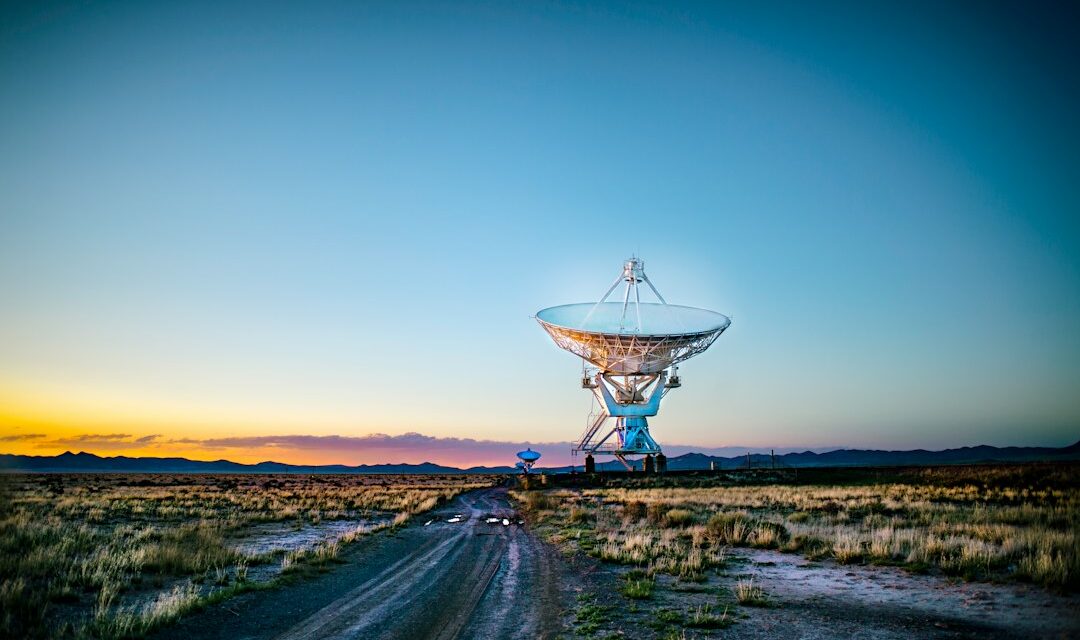
Featured photo by Donald Giannatti on Unsplash