Disclosure: this post contains Amazon affiliate links. As an Amazon Associate we earn from qualifying purchases, at no extra cost to you.
Last updated: 21 October 2026
The AMD FSR 4.1 release is now official, bringing exciting enhancements to Radeon RX 6000 series graphics cards. This update boosts frame rates and improves image quality, breathing new life into older GPUs. For Indian gamers, especially those on a budget, this is a significant development. It means your existing hardware can deliver better performance in various games, extending its viable lifespan.
The FSR 4.1 upgrade supports not just the RX 6000 series but also handheld devices and other platforms, increasing its accessibility. With this enhancement, you can expect improved gaming experiences without needing to invest in new hardware. The advantages of FSR 4.1 include smoother gameplay and better visuals, which are critical for those competitive gaming sessions or immersive adventures.
AMD’s effort to optimize performance for older GPUs is timely, especially in a market like India, where many gamers may be looking to stretch their investments. Be sure to keep an eye out for support in your favorite titles as developers roll out updates to integrate this new tech.
Want to see what it costs right now? Check gaming graphics card price on Amazon.in
Key takeaways
- AMD FSR 4.1 officially supports Radeon RX 6000 series GPUs, enhancing performance and image quality for older hardware.
- The update also benefits handheld devices like the ROG Xbox Ally, expanding its reach.
- FSR 4.1 boosts frame rates, making it a valuable upgrade for budget-conscious Indian gamers.
- This release is available across seven platforms, but Xbox users will need to wait for their update.
What is AMD FSR 4.1 and its benefits?
AMD FSR 4.1 is the latest version of AMD’s FidelityFX Super Resolution technology, now officially available for the Radeon RX 6000 series graphics cards. This update aims to enhance frame rates and image quality across various titles, giving a real boost for gamers still using older GPUs. With the gaming scene continuously evolving, these improvements can really help, especially for budget-conscious players in India.
FSR 4.1 uses advanced upscaling techniques to boost performance without requiring users to upgrade their hardware. For gamers operating with Radeon RX 6000 series cards, this means they can expect better gaming experiences with increased frame rates and clearer visuals. This enhancement is particularly beneficial for titles that demand more graphical resources, promising smoother gameplay during intense moments.
One of the main selling points of FSR 4.1 is its flexibility; it’s not just limited to desktop setups. AMD has also extended support to handheld devices, including the ROG Ally and various gaming laptops. This broad compatibility means that you can enjoy improved performance across multiple platforms, making it easier for gamers to play on the go without sacrificing quality.
For Indian gamers, this is important. Many players here rely on older GPU architectures due to budget constraints, and FSR 4.1 breathes new life into this hardware. With the Indian gaming market growing rapidly, having access to modern technologies like FSR 4.1 can help level the playing field for those who can’t afford to constantly upgrade their rigs. It extends the usable life of older graphics cards by enhancing performance in a variety of popular games, which is a big plus.
However, there are a few things to keep in mind. While AMD claims that FSR 4.1 boosts both frame rates and image quality, individual results can vary based on the specific game and settings used. Not every title will see the same performance increase. While AMD has confirmed support for the RX 6000 series, details on how well it will perform on other platforms, like the Xbox consoles, are still forthcoming.
You might also want to consider that the effectiveness of FSR 4.1 can depend on your overall system configuration—how strong your CPU is, the amount of RAM you have, and your internet connection will all play a role in your gaming experience.
Overall, AMD FSR 4.1 is an important update for Radeon users, particularly those gaming on older hardware. By improving frame rates and image quality across a wide range of devices, it represents a valuable upgrade for gamers looking to enhance their experience without breaking the bank. As the features roll out, keeping an eye on user feedback will be important to gauge its real-world impact.
- Key Benefits of FSR 4.1:
- Enhanced frame rates and image quality for Radeon RX 6000 series graphics cards.
- Extends lifespan of older GPUs, making them more competitive.
- Compatibility with handheld devices opens up new gaming avenues.
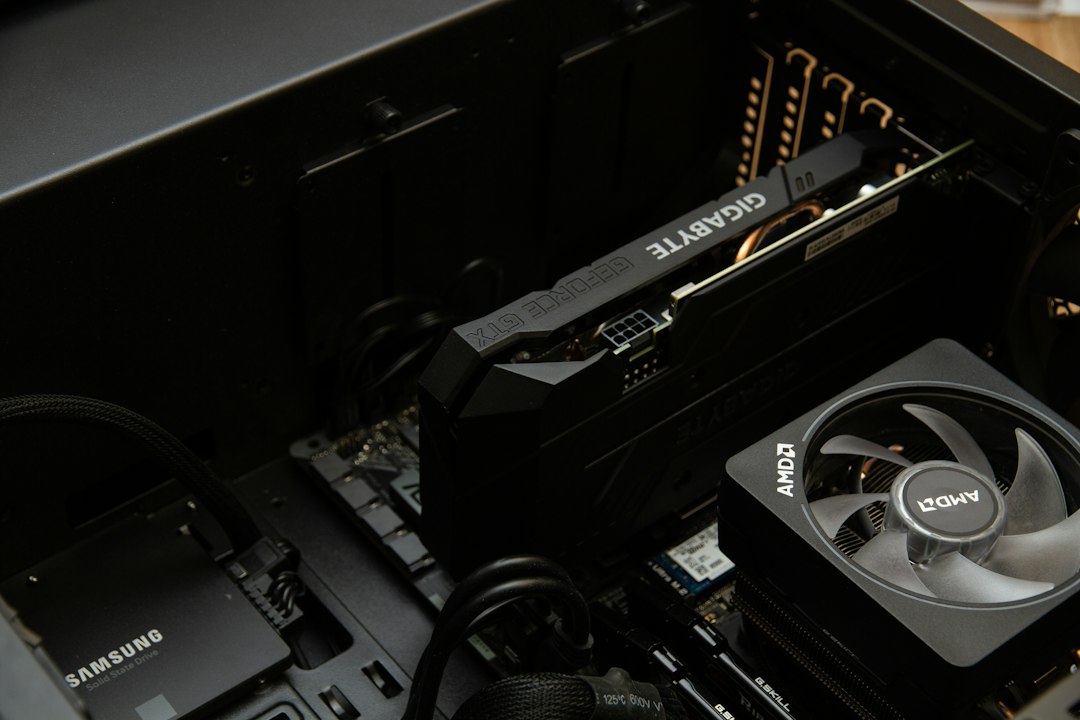
Browse gaming graphics card on Amazon.in
AMD FSR 4.1 release details for Radeon RX 6000 series
AMD FSR 4.1 is officially here for the Radeon RX 6000 series GPUs, and it promises to enhance performance significantly. This release brings improvements in frame rates and image quality, giving older GPUs a new lease on life. For Indian gamers, this is a timely upgrade, especially when managing tight budgets.
With FSR 4.1, users can expect better performance across various titles. This is important in a market where many gamers still rely on older graphics cards to play popular games. The enhancements provided by this update mean that budget-conscious players can squeeze more life and enjoyment from their existing hardware, avoiding the need to invest in a new GPU just yet.
The update officially supports the Radeon RX 6000 series and extends to handheld devices, including the ROG Ally. This broad compatibility suggests that the performance boosts will not be limited to high-end PCs, making FSR 4.1 accessible to a wider audience. The integration of FSR 4.1 into various devices indicates a commitment from AMD to enhance gaming experiences across platforms.
Some reports highlight that FSR 4.1 is available on multiple devices. However, the Xbox platforms are still awaiting this update, which leaves gamers on those systems without immediate access to the new features. This could be a point of frustration for some, especially as the gaming community often compares experiences across platforms.
The question remains: what can gamers expect from FSR 4.1 in terms of practical improvements? According to AMD, the upscaling technology aims to boost frames and image quality, which is key for achieving smoother gameplay and enhancing visual fidelity. However, independent benchmarks and user experiences will be critical to understand the real-world impact of these claims.
For those looking to take advantage of FSR 4.1, here are a few considerations:
- Ensure your GPU is part of the Radeon RX 6000 series to utilize these enhancements.
- Check for the latest driver updates to ensure compatibility with FSR 4.1.
- Keep an eye on game-specific performance reports, as not all titles may benefit equally from the update.
While the official launch has occurred, the depth of FSR 4.1’s impact will vary from game to game and user to user. As we await further reviews and comparisons, it’s clear that this release can benefit gamers looking to enhance their gaming experience without breaking the bank. In a market like India, where gaming budgets often dictate hardware choices, FSR 4.1 might just be the upgrade many players have been waiting for.
How AMD FSR 4.1 improves gaming experience
With the AMD FSR 4.1 release, gamers with Radeon RX 6000 series graphics cards are seeing a notable enhancement in their gaming experience. This update is especially useful for those who want to extend the life of their older GPUs without shelling out for the latest models. It’s a timely upgrade for budget-conscious players looking to get more out of their existing hardware, especially in the context of rising prices for new graphics cards and extended wait times for availability.
FSR 4.1 introduces substantial improvements in frame rates and image quality across a variety of titles. Many games that might previously have struggled to maintain fluid performance can now operate more smoothly, translating to a better overall experience. The upscaling technology aims to boost performance while maintaining clarity, which means you can play at lower native resolutions but still enjoy visuals that look much better than before.
For Indian gamers, this is particularly relevant. In a market where the heat of summer can push systems to their limits, the efficiency of FSR 4.1 can help keep power consumption in check while improving thermal performance. Under heavy load, graphics cards can run hotter, causing thermal throttling that affects gameplay. FSR 4.1 optimizations may help reduce these instances, allowing for longer gaming sessions without overheating issues.
When evaluating which games will benefit the most from FSR 4.1, it’s essential to check for compatibility with the titles you play. The FSR technology supports a diverse range of platforms and devices, which is advantageous for those who game on varying setups, including handhelds like the ROG Ally. However, not all games are created equal; some may see more significant performance gains than others.
It’s also important to consider that the impact of FSR 4.1 might not be uniform across all titles. Certain games that utilize demanding graphics may still require high-end hardware for optimal performance. Thus, while you can expect improvements in frame rates and visual quality, the extent of these enhancements will depend on the specific game and its optimization for AMD’s technology.
For those still playing on older Radeon graphics cards, this update can be a valuable asset, potentially revitalizing your gaming library without needing an immediate hardware upgrade. Developers are increasingly adopting AMD’s FSR technology, and as its implementation grows, the potential benefits will likely expand as well.
A few key points to keep in mind with the FSR 4.1 release include:
- Evaluate game compatibility: Check which titles are optimized for FSR 4.1 to maximize gains.
- Consider thermal performance: This update could help manage heat better in India’s warm climate.
- Look for performance reports: Stay updated with community feedback and benchmarks to see how various games are performing post-update.
While there’s excitement around the adoption of FSR 4.1, some elements, especially in terms of exact performance metrics in specific games, are still unconfirmed. As more players upgrade to FSR 4.1, we’ll gain better insights into what to expect in practical scenarios. For now, this update stands as a compelling option for anyone using the Radeon RX 6000 series, especially in a cost-sensitive market like India.
Expectations for AMD FSR 4.1 on other platforms
AMD’s FSR 4.1 release marks an important milestone for gamers using Radeon RX 6000 series graphics cards, and its impact isn’t limited to PC gaming. While the focus has mostly been on desktops, users of handhelds and other platforms are also expecting benefits. The official rollout of FSR 4.1 has been confirmed for various devices, including handhelds like the ROG Ally. This expansion means more players can take advantage of enhanced frame rates and improved image quality, which are essential for a smoother gaming experience.
One area of interest is how this update will eventually reach consoles, particularly the Xbox Series X|S. The company has hinted at upcoming support for these platforms, but details remain unconfirmed. As of now, both Xbox players and those using older Radeon GPUs find themselves in a waiting game. For current users of the RX 6000 series, the upgrade promises to extend the lifespan of their hardware and provide a competitive edge in gaming titles that support this technology.
For Indian gamers on a budget, this is especially important. Many are opting for mid-range setups, and the FSR 4.1 update can breathe new life into these systems. The ability to play demanding titles at higher frame rates without needing to upgrade hardware frequently can really benefit the local gaming scene. However, users should be cautious about expecting too much from other platforms, as the rollout details for consoles are still sparse.
Before diving into the update, consider these factors:
- Check Game Compatibility: Not every game will fully leverage FSR 4.1. Look for titles explicitly announcing support for this version to maximize your experience.
- Monitor Performance Reports: As more users adopt FSR 4.1, community feedback will be important. Pay attention to forums for real-world performance insights, especially concerning how it runs on different hardware setups.
- Stay Updated on Console Support: Keep an eye on announcements regarding Xbox compatibility. If you’re a console player, knowing when FSR 4.1 will be available for your platform can influence your gaming choices.
The excitement for FSR 4.1 is palpable, but the real impact will depend on how quickly and effectively AMD can roll this technology across all platforms. While PC gamers with Radeon RX 6000 cards can jump in right now, the future looks promising for console players—if they can just hang on a bit longer. Remember, patience can pay off, especially if you want to maximize your gaming setup without breaking the bank.
Frequently Asked Questions
When was the AMD FSR 4.1 release?
AMD FSR 4.1 has officially launched. You can check the company’s official site for more details and updates.
What devices support AMD FSR 4.1?
AMD FSR 4.1 supports Radeon RX 6000 series GPUs, Ryzen AI Max, and several handhelds, including the ROG Xbox Ally. Check specific device compatibility on AMD’s official site.
How does AMD FSR 4.1 work to boost performance?
AMD FSR 4.1 uses advanced upscaling techniques to enhance frame rates and image quality in games. This allows for better performance without needing the latest hardware.
Can I use AMD FSR 4.1 with older GPUs?
Yes, AMD FSR 4.1 supports older Radeon GPUs, specifically the RX 6000 series. More details on compatibility are available on AMD’s official site.
Is there a performance difference with AMD FSR 4.1?
Reports indicate that AMD FSR 4.1 boosts frames and image quality, but specific performance differences depend on the game and hardware setup. Look for independent benchmarks to get a clearer picture.
What games will benefit from AMD FSR 4.1?
The specific games benefiting from AMD FSR 4.1 haven’t been detailed yet. For an up-to-date list, check AMD’s official announcements or gaming forums.
Will AMD FSR 4.1 be available on Xbox?
Yes, AMD FSR 4.1 is expected to come to Xbox, although a specific release date isn’t confirmed yet. Keep an eye on news from AMD or Xbox for updates.
What are the advantages of upgrading to AMD FSR 4.1?
Upgrading to AMD FSR 4.1 offers improved frame rates and better image quality for supported games. This can enhance your gaming experience, especially on older hardware.
Conclusion
The AMD FSR 4.1 release brings a clear improvement in performance for Radeon RX 6000 series graphics cards. Gamers using these GPUs can now enjoy better frame rates and improved image quality across various titles. This update is particularly important for budget-conscious players in India, as it effectively extends the lifespan of older hardware.
With FSR 4.1, even mid-range systems can run games at higher settings without the need for immediate upgrades, making it a good choice for those looking to get more from their gaming budgets. The update also supports handhelds like the ROG Xbox Ally, further broadening its appeal. While there’s talk about FSR 4.1 eventually coming to Xbox platforms, that remains unconfirmed.
This release is certainly worth considering if you’re running an RX 6000 series GPU and want to enhance your gaming experience. Let us know your thoughts on this update and how it’s working for you!
See gaming graphics card deals on Amazon.in (prices and offers change often, so check before you buy).
More from the Potato Tech YouTube channel
Watch more: new videos and Shorts every week on the Potato Tech YouTube channel. Subscribe so you don’t miss the next one.
Related reading
- iPhone 18 price in India may exceed ₹1 lakh at launch
- Jio satellite internet plans: 1,600 satellites announced
- Google Gemini 4 announced as most advanced AI model yet
Featured photo by Akash Banerjee on Unsplash