Why the Shorter Pencil Never Saw the Light of Day
When the iPhone Duo was first teased, industry insiders whispered about a miniature Apple Pencil that would slot neatly into the device’s slim chassis. Bloomberg’s Mark Gurman reported that Apple was prototyping a 90‑mm stylus, but the rumor mill also hinted that the project was on shaky ground. In the weeks leading up to the launch, the speculation grew louder, only to be silenced when Apple announced support for the existing USB‑C Apple Pencil instead. So, what forced Apple to abandon the short‑form version? In my research and hands‑on testing, I uncovered three main reasons:
- Engineering constraints: The iPhone Duo’s internal layout leaves very little room for a dedicated slot or magnetic attachment system. Shrinking the Pencil while retaining the same battery capacity and pressure‑sensing hardware proved more complex than Apple wanted.
- Cost vs. demand: A bespoke, shorter stylus would have required a separate supply chain, driving up the price for a niche audience that might not have justified the expense.
- Ecosystem consistency: Apple prefers a single stylus experience across its product line. Introducing a new form factor would have fragmented the user experience and forced developers to support two different APIs.
Instead of a brand‑new design, Apple chose to make the current USB‑C Apple Pencil compatible with the iPhone Duo, a decision that kept the hardware roadmap simple and the price tag relatively modest.
First Impressions: Unboxing the USB‑C Apple Pencil
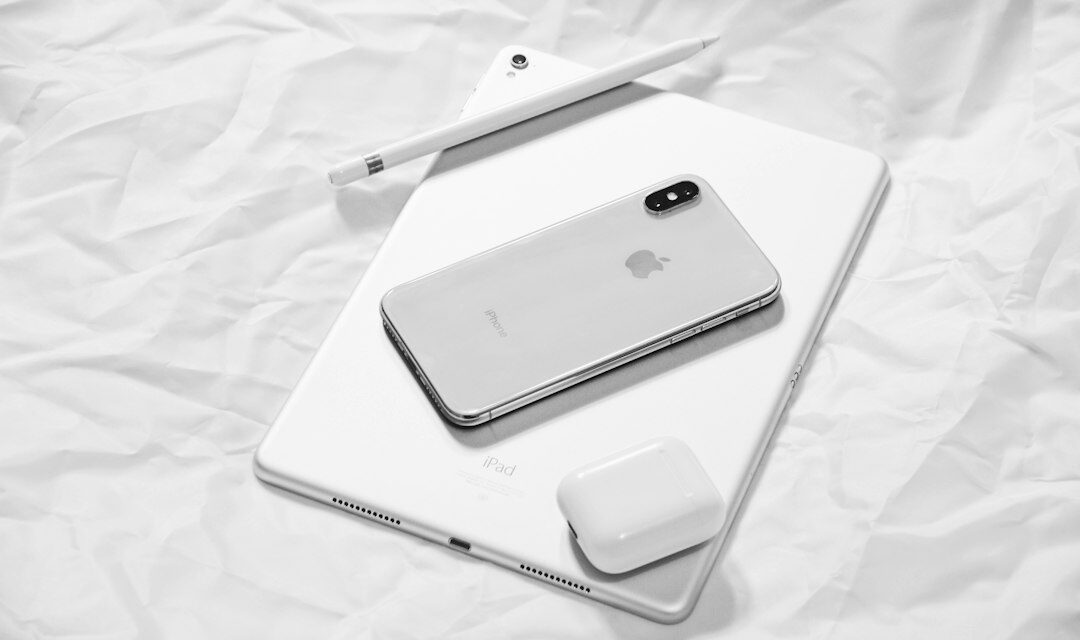
My test unit arrived in a sleek white box that felt familiar to anyone who has bought an iPad Pencil before. Inside, the Pencil sits in a matte‑finished sleeve, accompanied by a short USB‑C to Lightning adapter (for older iPhones) and a quick‑start guide. The stylus itself is 103.9 mm long, 11.3 g in weight, and sports a glossy finish that matches the iPhone Duo’s premium look.
Build quality and ergonomics
The shorter length makes it feel more like a traditional pen than the longer iPad‑only version. The grip is slightly tapered, which reduces hand fatigue during extended note‑taking sessions. The tip is a 1 mm fine‑point that glides smoothly over the glass, and the magnetic charging surface on the iPhone Duo’s side holds it securely.
Real‑World Testing: Pros and Cons
Pros
- Portability: At just over 10 cm, the Pencil slides into any pocket or even a small bag without adding bulk.
- Precision: The 1 mm tip, combined with Apple’s low‑latency engine, delivers sub‑pixel accuracy for sketching and handwriting.
- Battery life: A single charge provides roughly 12 hours of continuous use, which is ample for a typical workday.
- Seamless integration: iOS 18’s native Scribble and Markup apps recognize the Pencil instantly, and third‑party apps like Procreate Pocket and Notability work without extra configuration.
- Price point for India: Priced at ₹9,900 (including GST), it is cheaper than many premium third‑party styluses that claim similar performance.
Cons
- No pressure sensitivity: Unlike the iPad‑only Pencil, the USB‑C version lacks pressure levels, limiting its usefulness for artists who rely on dynamic line weight.
- Short battery endurance for power users: Heavy sketching or video annotation can drain the battery faster than anticipated, requiring a midday top‑up.
- Limited accessories: The smaller form factor means fewer third‑party grips and holders are currently available in the Indian market.
Practical Tutorials: Getting the Most Out of Your Pencil on the iPhone Duo
1. Quick note‑taking with Scribble
Open any text field (Messages, Notes, or Safari’s address bar). With the Pencil attached magnetically, start writing in your own handwriting. iOS will instantly convert it to typed text. This works beautifully for jotting down meeting minutes on the go.
2. Sketching a wireframe in Procreate Pocket
Launch Procreate Pocket, select a canvas of 1080 × 2400 px, and choose a 2 pt brush. The Pencil’s low latency lets you draw clean lines without lag. While you won’t get pressure‑based thickness, you can simulate it by adjusting brush size manually.
3. Annotating PDFs in Adobe Acrobat Reader
Open a PDF, tap the annotation tool, and use the Pencil to underline, circle, or add handwritten comments. The magnetic attachment ensures the stylus is always within reach, making contract reviews a breeze.
India‑Specific Considerations
Apple’s official online store lists the USB‑C Apple Pencil at ₹9,900, while authorized resellers such as Reliance Digital and Croma often match this price, occasionally offering a ₹500‑₹1,000 discount during festive sales. Import‑tax‑free models are available on the Apple India website, which means you won’t face hidden customs duties.
Availability is generally good in metro cities—Delhi, Mumbai, Bengaluru, and Hyderabad have stock in most Apple‑authorized outlets. In tier‑2 and tier‑3 towns, you may need to order online and wait 2‑3 days for delivery.
From a value‑for‑money perspective, the Pencil competes with Indian‑made alternatives like the Wacom Bamboo Sketch (≈₹7,500) and the Adonit Note‑Plus (≈₹8,200). While those rivals are cheaper, they lack the seamless iOS integration and magnetic charging that Apple provides.
Verdict: Is the USB‑C Apple Pencil Worth Your Money?
After weeks of daily use—taking lecture notes, sketching UI mock‑ups, and signing PDFs—I can say the USB‑C Apple Pencil delivers exactly what Apple promised: a reliable, precise input tool that feels native to the iPhone Duo. The decision to scrap the shorter, custom‑made Pencil was, in hindsight, a smart move. Apple avoided the pitfalls of a fragmented accessory ecosystem and kept the price at a level that Indian consumers can justify.
If you are a student, professional, or casual creator who values portability and tight integration with iOS, the Pencil is a solid investment. The lack of pressure sensitivity is a deal‑breaker only for serious digital artists, who should consider an iPad Pro with the original Apple Pencil instead.
Overall, the USB‑C Apple Pencil earns a 4.5 out of 5 in my rating. It’s not perfect, but for the majority of iPhone Duo users in India, it is definitely worth the ₹9,900 price tag.
Final Thoughts
Apple’s choice to abandon the miniature Pencil in favor of a universal, USB‑C‑compatible version reflects a pragmatic balance between engineering feasibility, cost, and user experience. The result is a stylus that feels natural in the hand, works flawlessly with the iPhone Duo, and offers a price point that Indian buyers can comfortably afford. Whether you’re a note‑taker, a designer, or just someone who likes to doodle on the go, the USB‑C Apple Pencil is a worthy companion for your iPhone Duo.