The Outage in Context
On the afternoon of September 30, Apple’s ecosystem suffered a hiccup that left the Apple TV app inaccessible for a segment of its global audience. While the App Store, Apple Music, and Fitness+ bounced back within hours, the streaming service lingered in a gray zone, prompting questions about the robustness of cloud‑based entertainment platforms.
What Went Wrong?
Apple’s own System Status page logged an incident that began at 4:43 p.m. ET, describing it as “some users are affected” and attributing the disruption to “scheduled maintenance.” The vague wording left many to wonder whether the problem stemmed from a software rollout, a data‑center overload, or a network‑level glitch. Regardless of the root cause, the episode highlighted a single truth: even the most polished services can falter, and when they do, the ripple effect is felt far beyond the United States.
Why Reliability Matters for Indian Consumers
India’s streaming market exploded in the last five years, with broadband penetration climbing past 45 % and mobile data speeds reaching 4G‑LTE averages of 18 Mbps. Consumers now expect on‑demand content to be available 24/7, whether they are watching a Bollywood blockbuster on Disney+ Hotstar or a tech talk on YouTube. An outage that lasts even a few minutes can translate into lost ad revenue, subscriber churn, and a dent in brand trust.
Pricing and Availability in INR
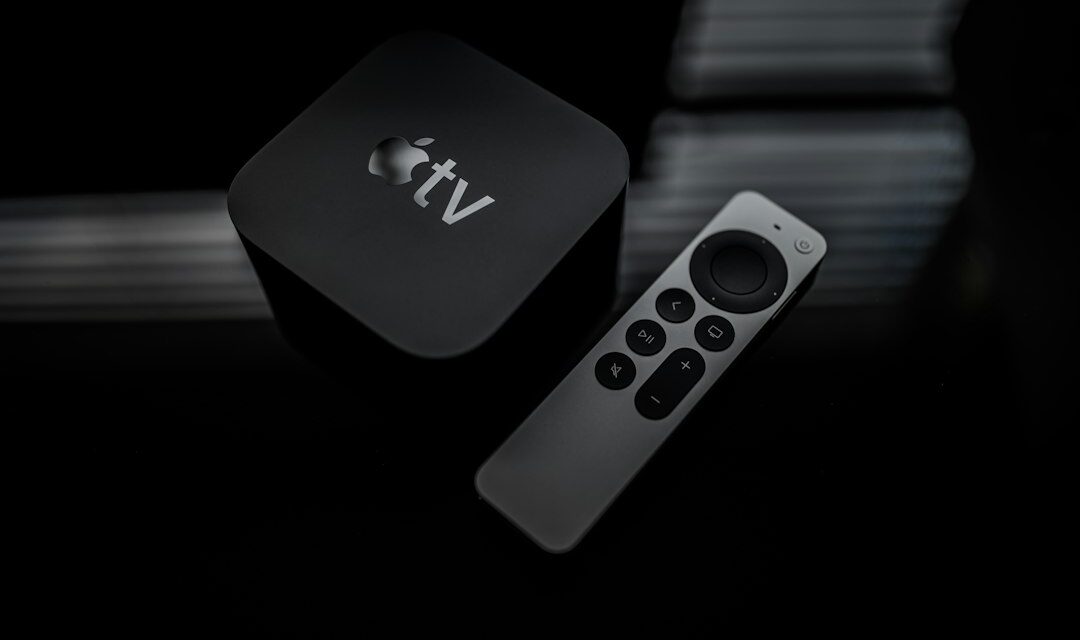
Apple TV+ costs ₹199 per month in India, while the hardware—Apple TV 4K—retails at roughly ₹24,900. For many Indian households, this is a premium purchase, especially when competing devices like the Amazon Fire TV Stick (₹3,999) or the Xiaomi Mi TV Stick (₹2,999) offer similar functionality at a fraction of the price. When a service that commands such a price point experiences downtime, the perceived value gap widens, making price‑sensitive users reconsider their subscription.
Broader Industry Implications
The incident serves as a case study for the entire streaming ecosystem, underscoring three emerging trends that could reshape the market in the next three to five years.
1. Shift Toward Decentralized Streaming
Content delivery networks (CDNs) are increasingly adopting edge‑computing models that distribute workloads closer to end‑users. Companies like Akamai and Cloudflare are rolling out “edge‑streaming” solutions that can keep a video feed alive even if the central server experiences a hiccup. Apple may need to accelerate its own edge strategy in India, where geographic diversity and variable ISP quality demand a more resilient architecture.
2. Growing Importance of Multi‑Platform Redundancy
Smart TV manufacturers are embedding multiple streaming apps directly into their firmware, allowing users to switch seamlessly between services. In India, where the average household owns 2.7 smart devices, a single‑point failure is less tolerable. The outage pushes providers to think about cross‑platform redundancy—perhaps offering Apple TV content through partner apps on Android TV or Samsung’s Tizen platform.
3. Consumer Expectation of Real‑Time Transparency
When Apple’s status page merely mentioned “scheduled maintenance,” it left users guessing. Indian users, accustomed to the granular outage dashboards of services like JioSaavn or Airtel Xstream, now demand clearer communication. Real‑time updates via push notifications, WhatsApp alerts, or even in‑app banners could become a competitive differentiator.
Practical Steps for Users
If you’re caught in the middle of an Apple TV disruption, there are a few actionable steps you can take to minimize downtime.
Quick Troubleshooting Guide
- Check the System Status: Visit Apple’s System Status page on a browser or another device to confirm whether the issue is widespread.
- Restart the Device: Power‑cycle your Apple TV by unplugging it for 30 seconds, then plugging it back in. This forces a fresh network handshake.
- Verify Network Health: Use your phone to run a speed test (e.g., Fast.com). If latency spikes above 150 ms, consider switching from Wi‑Fi to a wired Ethernet connection.
- Update Firmware: Navigate to Settings → System → Software Updates. An outdated tvOS version can sometimes clash with server‑side changes.
Alternative Streaming Options in India
While waiting for Apple’s services to normalize, Indian users have a rich palette of alternatives:
- Disney+ Hotstar: Offers a mix of local and international content at ₹299 per month.
- Amazon Prime Video: Priced at ₹149 per month, it includes a vast library of Bollywood and Hollywood titles.
- Voot Play: A free, ad‑supported platform with a strong focus on regional programming.
Most of these services support casting from Android phones, making it easy to repurpose your existing Chromecast or Amazon Fire TV Stick.
Verdict: Is Apple TV Still Worth It for Indian Users?
From a purely cost‑benefit perspective, the Apple TV hardware and subscription price remain on the higher end of the Indian market. However, the brand’s ecosystem—seamless integration with iPhone, iPad, and HomePod—delivers a level of convenience that many users value highly. The recent outage does not erase those benefits, but it does highlight a risk: premium pricing comes with an expectation of premium reliability.
My recommendation for Indian tech enthusiasts is two‑fold. First, if you already own Apple devices and appreciate the unified experience, keep Apple TV in your lineup but maintain a backup streaming app for critical viewing moments. Second, for new adopters, weigh the hardware cost against local alternatives that offer comparable performance at a fraction of the price. As edge computing matures and Apple bolsters its Indian server footprint, the reliability gap is likely to shrink, making the premium price more defensible in the long run.