Why Manual Aperture Matters
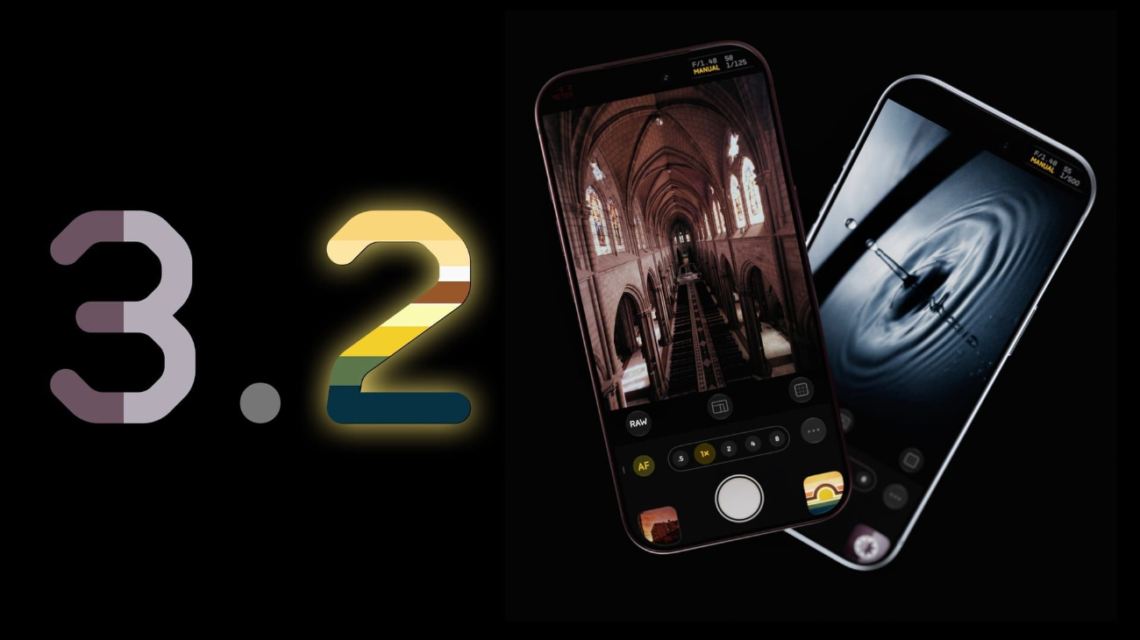
When a camera can change its lens opening on the fly, every shutter click becomes a new opportunity. The iPhone 18 Pro’s variable aperture, ranging from f/1.48 to f/4.0, already gives creators a spectrum of depth‑of‑field control. But without a way to dial in any value within that range, the feature sits on a pedestal that only a few can truly access. Halide 3.2 lifts that ceiling, letting users pick any f‑stop, and that shift has ripple effects beyond a single app.
Halide 3.2’s New Features
Beyond the full‑range aperture, the update introduces two fresh film simulations—Dawn and Quicksilver—that mimic classic photographic processes. Dawn offers a warm mid‑tone palette with gentle shadows, while Quicksilver delivers a high‑contrast, muted look reminiscent of silver‑retention printing. A new 16:9 mode also expands compositional possibilities for vloggers and social media creators.
Aperture Priority vs. Manual Mode
Halide’s Aperture Priority mode automatically balances shutter speed and ISO to keep the scene properly exposed, which is ideal for quick shots or when lighting is unpredictable. In contrast, Manual mode hands all three parameters over to the photographer, including ISO—a feature absent from Apple’s native Camera app. This level of control is a boon for enthusiasts who want to push creative boundaries.
Comparing Halide with Apple’s Camera App
Apple’s built‑in app offers a four‑stop variable aperture, but it locks users into discrete steps. With Halide, the same hardware can be exploited to its full potential. For example, a photographer can set the aperture to f/1.6 for a silky background blur in a portrait, or dial it up to f/3.5 for a crisp landscape—something that would otherwise require multiple app switches or external gear.
Cost and Availability in India
Halide 3.2 is priced at ₹5,600 for a one‑time purchase or ₹1,500 per year for a subscription. The app is available on the App Store for India‑based users, and early adopters report no region‑specific restrictions. Given the price point, the app positions itself as a premium tool for serious hobbyists and semi‑professional photographers who already own the iPhone 18 Pro.
Impact on Indian Photographers
India’s burgeoning street‑photo community thrives on mobile devices. The ability to manually set f‑stops empowers them to capture candid moments with depth and clarity that were previously difficult to achieve. In bustling markets or serene temple alleys, creators can now isolate subjects or embrace wide depth of field without changing lenses.
Practical Tutorial: Shooting a Street Portrait
1. Open Halide and switch to Manual mode.
2. Set aperture to f/1.6 for a shallow depth of field.
3. Adjust ISO to 200 to keep noise low in daylight.
4. Choose a shutter speed of 1/200s to freeze motion.
5. Use the new Dawn simulation for a warm, nostalgic feel.
6. Capture and review the image; tweak settings if the background blur is too strong or too weak.
Future Trends and Predictions
Halide’s move toward full manual control signals a broader industry shift. As camera sensors grow larger and computational photography matures, app developers are expected to unlock more of the hardware’s latent power. We anticipate future releases to include customizable f‑stop presets, AI‑assisted exposure bracketing, and even RAW export options that respect the variable aperture’s nuances.
Verdict
Halide 3.2’s manual aperture is more than a feature tweak; it is a catalyst that democratizes high‑end photography on a pocket‑sized device. For Indian creators, the app offers a cost‑effective pathway to professional‑grade images without the need for bulky gear. While the price may deter casual users, the depth of control and creative freedom justify the investment for anyone serious about mobile photography.