Why HP’s $699 OLED Laptop is a Game‑Changer for India
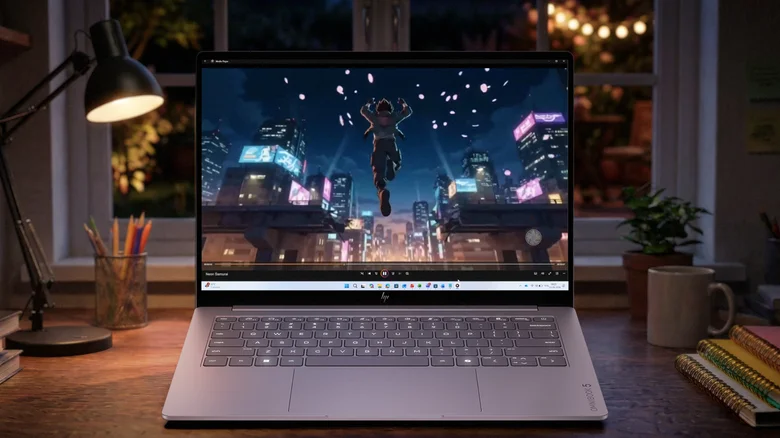
When HP announced a new Windows notebook equipped with an OLED panel at a starting price of $699 (≈₹58,000), the Indian tech community took notice. The price point directly challenges Apple’s recent MacBook Neo strategy and signals a shift toward premium‑display laptops becoming affordable for the mass market. For Indian consumers, who have traditionally balanced performance against price, this move could redraw the buying map for students, professionals, and creators alike.
From Niche to Mainstream: OLED’s Journey in India
OLED screens were once the preserve of high‑end smartphones and flagship laptops priced well above ₹1,50,000. Their deep blacks, vibrant colours, and energy‑efficient operation made them attractive but expensive. HP’s pricing compresses that gap dramatically, suggesting that supply‑chain efficiencies and component‑level price drops are finally reaching the Indian market. This could accelerate the adoption of OLED in mid‑range laptops, making colour‑critical work—like video editing or graphic design—more accessible.
Industry Implications: Pricing Pressure and Feature Arms Race
HP’s aggressive pricing forces competitors to reassess their own line‑ups. Dell, Lenovo, and ASUS will likely respond with either lower‑priced OLED options or enhanced specifications at similar price points. The ripple effect may push the entire Indian PC market toward a “value‑plus” model, where manufacturers bundle premium displays with decent processors, fast SSDs, and longer battery life without inflating the sticker price.
Impact on Local Manufacturers and Resellers
Indian OEMs such as iBall and Intex, which have historically focused on budget laptops, might explore partnerships to source OLED panels at scale. Meanwhile, online marketplaces like Flipkart and Amazon India will see a surge in OLED‑focused listings, prompting better discount structures during festive sales.
Practical Guide: Choosing an OLED Laptop in India
For readers wondering whether to jump on the HP OLED bandwagon, here’s a quick checklist tailored to Indian buying habits:
1. Verify the Display Specification
Look for true OLED panels (not “OLED‑like” LCDs). Check for 100% DCI‑P3 colour gamut and HDR support. In India, product pages sometimes omit these details, so ask the seller directly.
2. Balance Processor and RAM
HP’s base model pairs an AMD Ryzen 5 7640U with 8 GB RAM. For most students and office workers, this is sufficient. Power users should consider upgrading to 16 GB RAM and a dedicated GPU, which may push the price to around ₹80,000‑₹90,000.
3. Battery Life vs. OLED Power Draw
OLED can be power‑hungry when displaying bright whites. Check real‑world battery reviews from Indian tech YouTubers—many report 6‑7 hours of mixed‑use on a 56 Wh battery, which is acceptable for a day’s work but not a marathon.
4. After‑Sales Service and Warranty
HP’s Indian warranty covers 1 year on parts and labour. Verify the nearest service centre and whether the warranty includes OLED‑specific issues like panel burn‑in.
Future Outlook: What This Means for the Future of Indian Laptops
The $699 OLED announcement is more than a pricing stunt; it’s a bellwether for the next wave of Indian laptop evolution. Here are three predictions:
1. Democratisation of Premium Displays
Within the next 12‑18 months, we expect at least three major brands to launch sub‑₹70,000 OLED laptops, making high‑fidelity screens a standard feature rather than a premium add‑on.
2. Rise of Hybrid Work‑Optimised Devices
With OLED’s visual comfort and lower eye‑strain, manufacturers will market these laptops as ideal for hybrid work‑from‑home setups—a trend that remains strong in Indian metros.
3. Increased Focus on Energy Efficiency
As OLED adoption grows, Indian regulators and consumer groups will push for better power‑management standards, leading to smarter adaptive brightness algorithms that extend battery life.
My Verdict: A Bold Step Worth Watching
From an Indian perspective, HP’s $699 OLED laptop is a bold experiment that could reshape the market. The price, when converted to rupees, sits comfortably below the traditional premium segment, yet the inclusion of an OLED panel adds a touch of luxury. If HP can maintain quality control and ensure reliable after‑sales support, this device will likely become a reference point for future laptop pricing in India. For early adopters, it’s a compelling buy; for cautious shoppers, waiting for the first wave of competitor responses could yield even better value.